The Rise of AI-Powered Diagnostics
Gone are the days of vague dashboard warning lights and cryptic error codes. In 2026, artificial intelligence has taken the guesswork out of car maintenance. Modern vehicles are now equipped with AI-driven diagnostic systems that continuously monitor and analyze every aspect of your car’s performance. These systems can predict potential issues before they become serious, saving drivers time and money.
For example, the latest AI technology in cars can detect minor fluctuations in tire pressure, brake pad wear, or even engine vibrations, alerting the driver through their smartphone app. This level of precision ensures that small maintenance tasks don’t escalate into costly repairs.
Predictive Maintenance: The New Norm
Predictive maintenance has emerged as a game-changer in car care. Using machine learning algorithms, AI can assess historical data to forecast when a component is likely to fail. This means no more guessing when to replace parts like timing belts or fuel filters.
Take Tesla’s newest models, for instance. They utilize AI to analyze data from millions of miles driven by their users. This analysis helps in fine-tuning the maintenance schedule for each car, ensuring that parts are replaced only when necessary, maximizing their lifespan and minimizing waste.
The Human Element: Technicians and AI
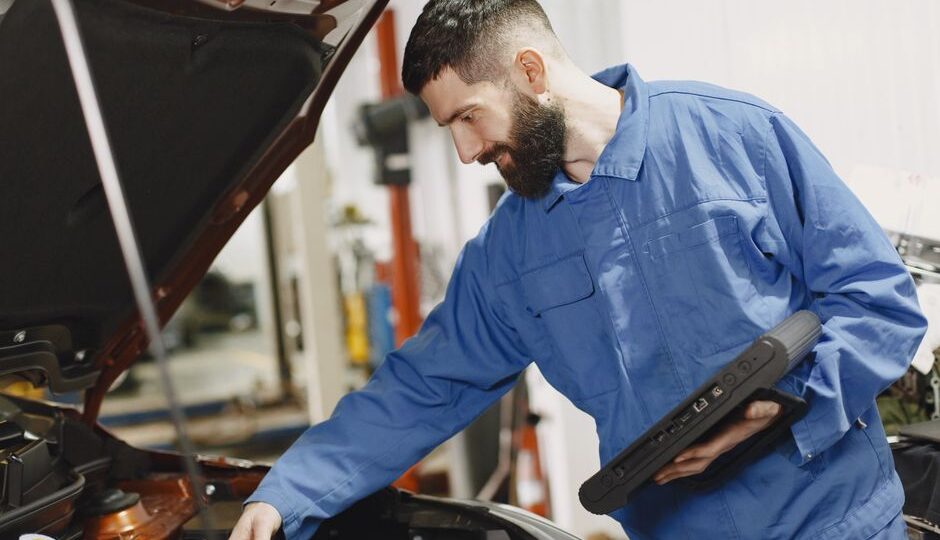
While AI is revolutionizing car maintenance, human technicians are still a vital part of the equation. In 2026, service centers have evolved into high-tech hubs where mechanics and AI work side by side. Technicians now use augmented reality (AR) glasses to view AI-generated repair instructions overlaid onto the physical car parts.
This symbiotic relationship between humans and machines ensures that vehicles receive the most accurate and efficient service possible. It also means that technicians must continuously upskill, learning how to interpret AI data and manage these advanced systems effectively.
Streamlining the Service Experience
The integration of AI into car maintenance has also streamlined the service experience for customers. Many automakers have developed apps that provide real-time updates on a car’s health, recommend nearby service centers, and even schedule appointments automatically based on the predicted maintenance needs.
For instance, BMW’s AI-integrated app goes a step further by offering virtual consultations with technicians who can provide advice and answer questions via video chat. This level of personalization and convenience is redefining customer service in the automotive industry.
Ethical and Security Considerations
While AI offers numerous benefits, it also raises ethical and security concerns. As vehicles become more connected, the risk of cyber-attacks increases. Car manufacturers are investing heavily in cybersecurity to protect sensitive data and ensure that AI systems remain secure from malicious threats.
Moreover, there’s an ongoing debate about data ownership and privacy. As vehicles collect vast amounts of data, questions arise about who owns this information and how it can be used. A balance must be struck between leveraging data for maintenance and respecting the privacy of car owners.
Practical Takeaway: Embrace the Future
For car enthusiasts and everyday drivers alike, the shift toward AI-driven maintenance is both exciting and inevitable. Embracing these technologies means enjoying a more personalized, efficient, and secure automotive experience. As AI continues to advance, it’s crucial for drivers to stay informed and adapt, ensuring they make the most of what this intelligent revolution has to offer.