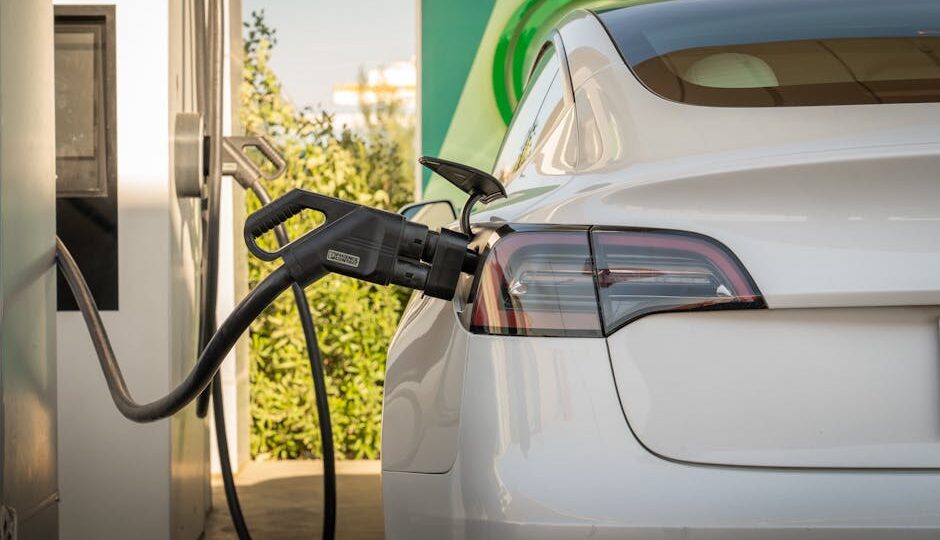
The Rise of Biofuel
In 2026, the automotive world is experiencing a sustainable revolution, and biofuel cars are at the forefront. While electric vehicles have dominated headlines for years, biofuel technology is quietly gaining traction. These cars run on renewable plant and animal materials, making them an eco-friendly alternative to traditional fossil fuels. As the world grapples with climate change, biofuel is proving to be a viable way to reduce carbon emissions without sacrificing performance.
What Makes Biofuel Cars Stand Out?
Biofuel cars offer a unique blend of sustainability and convenience. They can utilize existing internal combustion engine technology, allowing for a smoother transition for those hesitant about fully electric vehicles. Moreover, biofuel cars can potentially use the existing fuel infrastructure with minor modifications, reducing the need for new facilities and making the switch more accessible to a broader audience.
Top Biofuel Cars of 2026
- Toyota Corolla BioFlex: The Corolla remains a staple in reliability, and the 2026 BioFlex version continues this tradition. Powered by a combination of ethanol and gasoline, it offers an impressive range of 600 miles on a single tank. This blend not only reduces emissions but also enhances engine efficiency, making it a favorite among eco-conscious drivers.
- Ford F-150 Ethanol Edition: Truck enthusiasts, rejoice! The Ethanol Edition maintains the power and performance that the F-150 is known for but with significantly lower carbon emissions. Its E85 capability offers flexibility and reduces reliance on fossil fuels, showing that sustainability doesn’t mean compromising on strength.
- Chevrolet Equinox BioBoost: This compact SUV caters to families looking for space and sustainability. Running on a mix of biodiesel and traditional diesel, the BioBoost engine maximizes torque while minimizing its carbon footprint, making it an ideal choice for those long weekend getaways.
- Volkswagen Golf GTR Biofuel: Known for its sportiness, the Golf GTR has embraced biofuels with an innovative approach. Utilizing advanced biofuel technology, the GTR maintains its zippy performance while reducing emissions by over 60% compared to its gasoline counterpart. This car is perfect for those who refuse to compromise on thrill for the sake of the planet.
The Challenges and Opportunities of Biofuel
While biofuel cars are promising, they are not without their challenges. The production of biofuels is not entirely carbon-neutral and can require significant land use, which raises concerns about food security and biodiversity. However, advances in technology are addressing these issues. Second-generation biofuels, which use waste products instead of primary crops, are emerging as a solution. Additionally, the automotive industry is investing heavily in research to increase the efficiency and sustainability of biofuels.
Practical Takeaway: Considerations for Future Buyers
If you’re considering a biofuel car, there are a few practical things to keep in mind. First, check the availability of biofuels in your area. Though infrastructure is expanding, it varies significantly by region. Second, understand your driving habits—biofuels may offer the most benefit to those who drive regularly but not excessively long distances where refueling options might be limited.
In conclusion, biofuel cars represent a significant step toward a more sustainable future. They offer a compelling mix of old and new technology, blending the familiar with the innovative. As we move deeper into the 21st century, these vehicles could become a cornerstone of environmentally conscious driving.