The Evolution of Car Connectivity
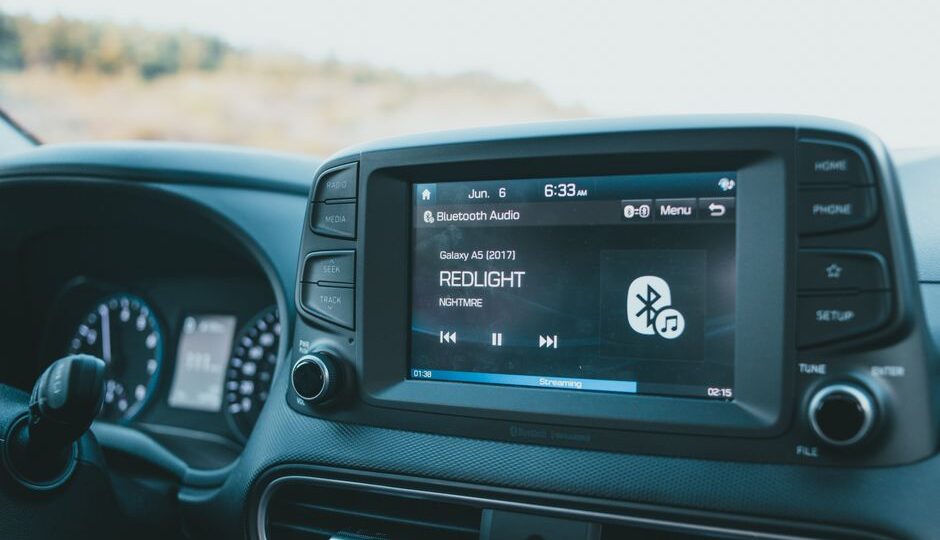
Back in the early 2020s, a car’s connectivity was mostly about Bluetooth music streaming and GPS navigation. Fast forward to 2026, and cars have become sophisticated digital hubs, seamlessly integrating with our daily digital lives. As you slide into your vehicle today, it’s less about just driving and more about a holistic experience that keeps you connected to everything that matters.
Seamless Integration with Your Digital Life
Modern cars are now an extension of our smartphones, tablets, and home ecosystems. Imagine stepping into your car and having it automatically sync with your calendar, emails, and smart home devices. Mercedes-Benz has been at the forefront, integrating virtual assistants that can adjust your home temperature as you pull into your driveway or start your coffee machine with a simple voice command. This is no longer a luxury; it’s the new standard.
Advanced Infotainment Systems
The infotainment systems of 2026 are nothing short of remarkable. Gone are the days of fiddling with a touchscreen while driving. The latest systems take cues from Tesla, offering voice-activated commands that are intuitive and incredibly responsive. Brands like Audi and BMW have upped their game with augmented reality displays that project navigation and essential information directly onto the windshield, keeping drivers’ eyes on the road.
Enhanced Safety Features through Connectivity
Connectivity isn’t just about entertainment and convenience—it’s saving lives. In 2026, cars are equipped with V2V (vehicle-to-vehicle) and V2X (vehicle-to-everything) communication technologies. These systems enable cars to ‘talk’ to each other and infrastructure like traffic lights and road signs. This communication can alert drivers to accidents ahead or adjust traffic lights to improve flow. Volvo’s implementation of this tech reportedly reduced intersection accidents by 30% in major cities like New York and San Francisco.
Vehicle Health Monitoring
With so much riding on our vehicles, knowing they’re in peak condition is crucial. Cars today can self-diagnose issues and notify you before they become problematic. This predictive maintenance uses data from numerous sensors to alert you about potential issues like tire wear or battery health. Not only does this keep you safe, but it also saves money in the long run by preventing major repairs.
What This Means for the Future
In 2026, car connectivity is redefining how we interact with our vehicles and the world around us. As technology continues to advance, expect even more personalized and intuitive experiences. The automotive industry is rapidly transforming, and cars are no longer just a means of transport—they are becoming central to our digital lives.
Practical Takeaway: As you consider your next vehicle purchase, prioritize connectivity. Look for cars that offer seamless integration with your digital life, advanced safety features through connectivity, and robust health monitoring systems. These features are no longer luxuries but necessities in our fast-evolving world.