




Year after year, cars are getting fancier and pricier. But wait, there’s more coming down the road – new rules for cars. This article breaks down how these changes might affect your wallet and driving experience.
Read on; it gets interesting!
New Emission Standards for 2027 and Beyond
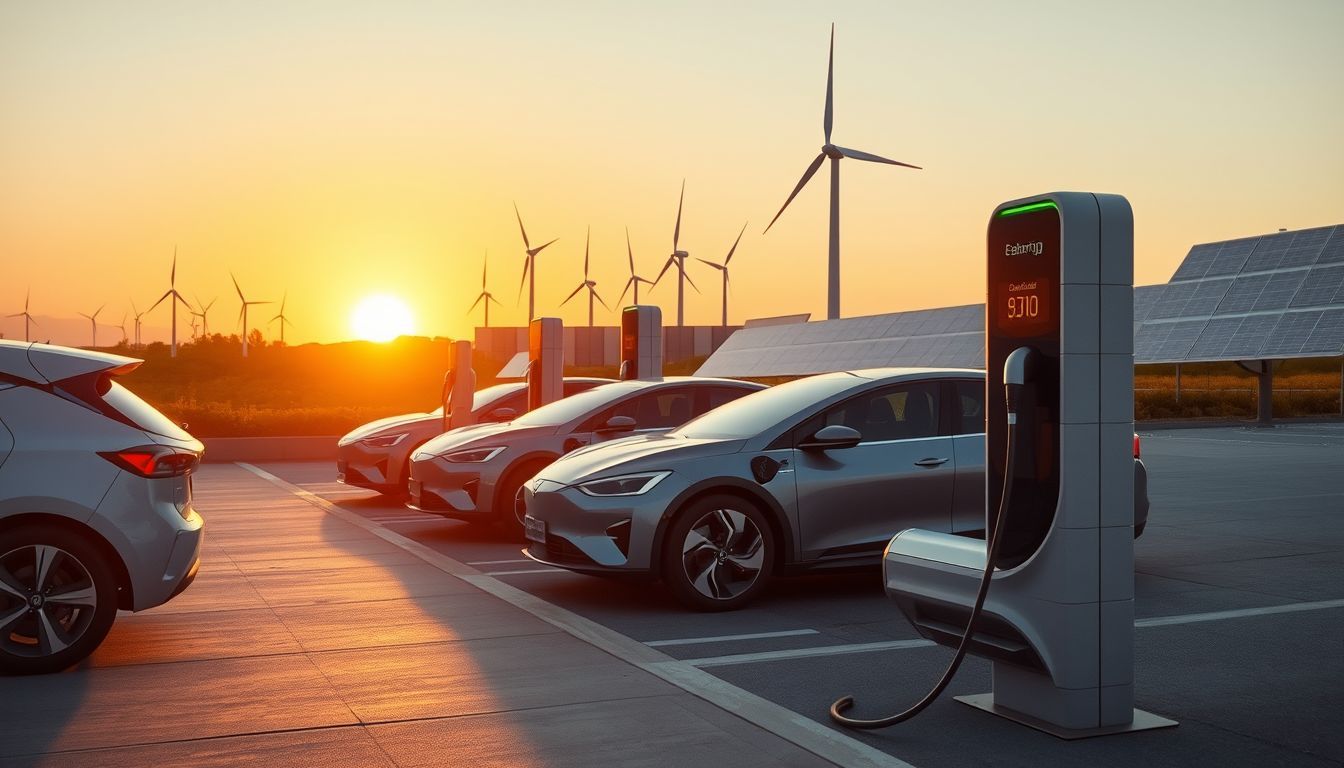
The EPA has set new limits on tailpipe pollution for 2027-2032 model-year vehicles. These stricter emission standards aim to cut down vehicle carbon footprints. Car makers must work on creating engines that are cleaner and more fuel-efficient.
They also need to push forward with electric and hybrid technologies. To meet these goals, companies are pouring money into research and development.
Because of these higher standards, producing cars will cost more. This means the price tags on new vehicles might go up. But there’s a silver lining: drivers will get to choose from more eco-friendly options that pollute less.
This move benefits everyone by reducing harmful emissions in our air.
Upcoming Safety Regulations
Cars will soon have to pack features like automatic emergency braking, lane-keeping assistance, and blind-spot monitoring. These aren’t just fancy add-ons; they’re becoming must-haves.
Making cars with these features means manufacturers need to pass tough tests. Yes, these tests show a car’s safety chops but don’t come cheap.
Buyers beware: while you’ll get safer rides, your wallet might feel it. Every new feature aimed at keeping you out of trouble on the road pushes up car prices. Yet, paying more upfront could mean less spending later on costly accidents or repairs.
It’s like picking a sturdy helmet over a flimsy cap for a bike ride – safety first pays off.
Autonomous Vehicle Regulations
Autonomous vehicle regulations are rapidly evolving. New guidelines for vehicle testing, data privacy, and liability issues are critical. Companies are investing in research and development to meet safety and reliability standards.
These measures aim to boost consumer confidence in technology.
On January 9, 2024, California introduced SB 915 to regulate local autonomous vehicles. South Dakota passed its first AV legislation on February 2, 2024. These steps show a strong push for safer self-driving cars.
While consumers enjoy the convenience of autonomous vehicles, concerns about data privacy and safety persist.
Financial Implications for Consumers
New automotive regulations will hit consumers in the wallet. Higher production costs may lead to increased vehicle prices. As manufacturers comply with new safety and environmental rules, service pricing could rise.
Consumers might feel the pinch when they visit repair shops. The Federal Trade Commission estimates that car buyers could save around $3.4 billion each year due to the CARS Rule. This potential savings offers a silver lining amidst rising costs.
Financial impacts loom large for anyone looking to buy or maintain a vehicle in the coming years.
Impact on Vehicle Maintenance and Repairs
New safety and environmental regulations will impact automotive service workshops. These changes will require workshops to invest in staff training and new tools. Compliance with these rules may also need certifications.
This can increase operational costs considerably. While excellent service becomes a focus, it may lead to higher pricing for consumers.
Consumers might notice that repair services become more expensive. Automotive maintenance may require more skilled technicians. Workshops will need better equipment to meet safety standards.
These shifts will change how vehicles are maintained and repaired. With the right tools and trained staff, workshops can provide quality service even amid rising costs.
Changes in Electric Vehicle Policies
Federal regulations are shaping the electric vehicle (EV) landscape. The government pushes for higher electric car adoption. This drive comes with substantial investments in research and development for electric and hybrid technology.
The White House envisions a strong future for EVs. Challenges like battery concerns and high costs, however, hinder that vision.
Manufacturers like Tesla and Rivian are changing the game. They focus on direct sales to consumers, bypassing traditional dealerships. This model shakes up the market and offers more choices for buyers.
With these changes, more people may find it easier to get into electric cars.
Influence on Car Prices and Affordability
New regulations will likely drive up car prices. Higher production costs often lead to increased vehicle costs. Compliance with safety and environmental rules may also raise service pricing.
For consumers, this means paying more at the dealership and for repairs.
Forecasts indicate dealership profits for 2024 will drop from pandemic highs. Yet, they still remain attractive. Fixed operations play a significant role, contributing 44% of total dealership profits.
Consumers may find automobiles less accessible as costs rise.
Shift in Aftermarket Landscape
New safety and environmental regulations are reshaping the aftermarket landscape. Automotive service workshops must adapt to these rules. Many will require investments in staff training and new tools.
Compliance may also demand certifications, leading to increased operational costs. High-quality service will remain a priority, but service pricing may rise as a result.
Shops must deliver on quality to keep customers coming back. As the aftermarket industry evolves, businesses will need to stay current with these changes. They must find a balance between costs and maintaining service excellence.
The shift presents challenges but also opportunities to improve service quality.
Supplementary insights on automotive regulations
Automotive regulations shape our driving experience in many ways, from the latest repair acts to the role of data analytics. Curious about how these changes might affect you? Keep reading!
H.R.906 – REPAIR Act
H.R.906, known as the REPAIR Act, focuses on automotive regulations that impact consumers. This legislation promotes transparency in the car buying process. It aims to protect buyers from deceptive sales practices.
The act seeks fairness by ensuring that dealers disclose the total vehicle price. Consent is required for any additional charges.
The CARS Rule, rolled out by the Federal Trade Commission, complements the REPAIR Act. It provides extra safeguards against misleading add-ons. Consumers have voiced concerns about these practices.
They appreciate the changes, even though some remain skeptical about the need for more regulations.
The Role of Data Analytics in Forecasting Trends
Data analytics plays a key role in forecasting trends in the automotive industry. It helps companies understand customer preferences and market insights. KPMG’s 24th Annual Global Automotive Executive Survey shows that driving performance is the top priority for vehicle buyers.
This insight allows manufacturers to tailor their offerings better.
Data also reveals that the demand for a seamless and hassle-free customer experience has surged from 24% to 39% in the U.S. This shift indicates that consumers value convenience. Companies can leverage this data to enhance customer satisfaction.
Analyzing vehicle trends and consumer behavior helps predict market changes before they happen. In an evolving market, staying ahead of trends becomes essential for success.
Effects on Dealership Valuations and Sales
Dealership valuations vary across brands. Recently, store valuations for Toyota, Subaru, Honda, and Kia increased. In contrast, Ford, Stellantis, and Nissan saw declines. These fluctuations directly affect dealership profitability.
Public dealership groups reported a significant rise in new vehicle gross profits. Through Q3 2023, these profits soared by 145% compared to pre-pandemic averages.
Franchise laws across states create different hurdles for direct sales. Some dealerships thrive with high new vehicle sales, while others struggle. In September 2023, the pre-tax profit per U.S. dealership reached an impressive $6.38 million.
This substantial figure highlights the financial shifts due to automotive industry regulations.
The Future of Online and Direct-to-Consumer Sales
Online vehicle sales surged during the COVID-19 pandemic. This change caught the attention of major players like Amazon. In November 2023, they teamed up with Hyundai to boost online vehicle sales.
Gen Z consumers, aged 12 to 26, will make up 40% of U.S. buyers soon. A third of them shop online every day.
Electric vehicle makers like Tesla and Rivian focus on direct sales. They cut out the middleman and connect directly with customers. This trend offers more choices for buyers. Virtual showrooms and online marketplaces simplify the buying process.
These tools make it easier for consumers to find their perfect car.
How Consumers Can Stay Informed
Consumers can stay informed about automotive regulations through various channels. Following consumer alerts keeps them updated on important changes. Engaging in discussions helps them assess the financial implications of new rules.
Understanding upcoming regulations is fundamental for managing safety concerns and costs.
Monitoring high labor rates is important. Pricing transparency plays a major role in decision-making. Advocacy for legislation against extra charges for cash payments is also significant.
Staying engaged helps consumers manage vehicle maintenance and repair costs effectively. This knowledge enhances their purchasing and ownership experiences.