10 Things You Didn’t Know About Hydrogen-Powered Vehicles
Hydrogen-powered vehicles have increasingly become a topic of interest in the automotive world as the push for sustainable energy solutions continues. While many people are familiar with electric vehicles, hydrogen cars often remain shrouded in mystery. Let’s unravel some of the lesser-known facts about these fascinating machines.
1. The Fueling Process is Surprisingly Fast
Unlike electric cars, which can take anywhere from 30 minutes to several hours to charge, hydrogen vehicles can be refueled in as little as 5 minutes. This rapid refueling process mimics the convenience of traditional gasoline refueling and is a major advantage for those on the go.
2. Hydrogen is Abundant, But Not Always Easy to Obtain
Hydrogen is the most abundant element in the universe, but it’s rarely found in its pure form. It typically needs to be extracted from compounds like water or natural gas, a process that can be expensive and energy-intensive. However, advances in technology are making this process more efficient and environmentally friendly.
3. Minimal Environmental Impact
One of the most compelling benefits of hydrogen-powered vehicles is their environmental friendliness. When hydrogen is used as a fuel, the only byproduct is water vapor. This makes them a truly zero-emission option, unlike electric vehicles which can still have an environmental impact depending on how the electricity is generated.
4. Japan is Leading the Charge
Japan has been a pioneer in the adoption and promotion of hydrogen technology. The Japanese government has invested heavily in hydrogen infrastructure, and the country is home to a large number of hydrogen fueling stations. Toyota and Honda, leading Japanese automakers, have been at the forefront, producing hydrogen fuel cell vehicles like the Toyota Mirai and Honda Clarity.
5. Hydrogen Cars Have a Long Range
Hydrogen vehicles are not only quick to refuel, but they also have an impressive range. Most models can travel over 300 miles on a single tank, and some newer models are pushing towards 400 miles. This makes them competitive with traditional gasoline and diesel vehicles, as well as some of the best electric cars.
6. Fuel Cell Technology is Over a Century Old
You might think hydrogen fuel cells are a recent innovation, but they actually date back over 180 years. The first fuel cell was developed by Sir William Grove in 1839. It wasn’t until the space race in the 1960s that they began to gain real attention, as NASA used them to power spacecraft.
7. The Cost Challenge
While the cost of hydrogen vehicles has been a barrier, prices are dropping. As technology advances and production scales up, costs are expected to decrease further. For example, the initial cost of a Toyota Mirai was around $60,000 in 2020; by 2025, that figure had dropped to approximately $45,000.
8. Hydrogen Infrastructure is Expanding
One of the main hurdles for hydrogen-powered vehicles has been the lack of fueling stations. This is changing rapidly, especially in regions committed to a hydrogen future like California, Germany, and South Korea. In California alone, there are now over 100 hydrogen stations, with plans to double that by 2030.
9. Hydrogen is Safer Than You Think
There are misconceptions about the safety of hydrogen, largely due to its combustible nature. However, hydrogen cars are designed with safety as a top priority. The tanks storing hydrogen are made from carbon fiber and are rigorously tested. In the unlikely event of a leak, hydrogen disperses quickly into the atmosphere, reducing the risk of a fire.
10. A Growing Variety of Models
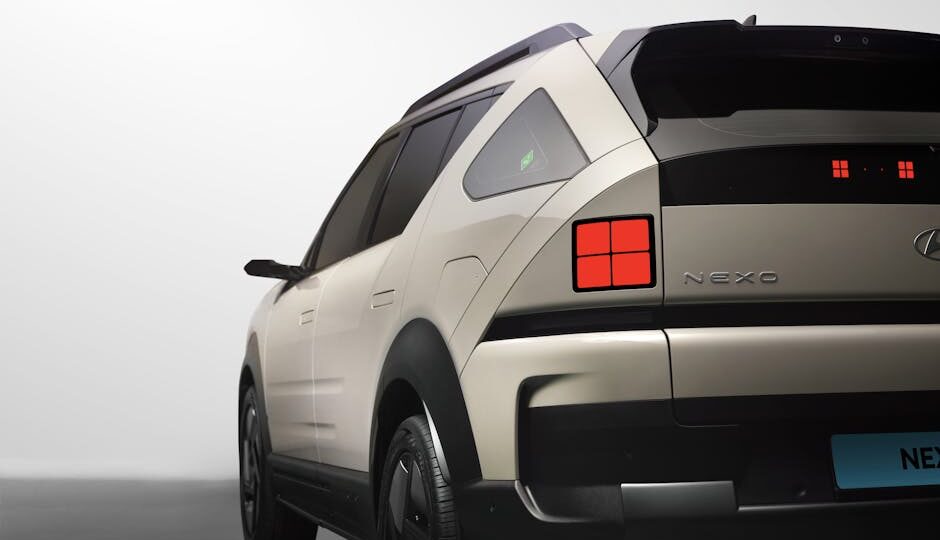
The hydrogen vehicle market is diversifying. While initially dominated by sedans, the range now includes SUVs, buses, and trucks. Companies like Hyundai, with their NEXO SUV, and Nikola Motors, with their hydrogen-powered semi-trucks, are expanding the options available to consumers and businesses alike.
Hydrogen-powered vehicles are no longer just a futuristic concept. They are a viable, sustainable option that is steadily growing in presence and popularity. As infrastructure continues to expand and costs decrease, they offer an exciting alternative for eco-conscious drivers. Consider these facts the next time you think about the future of transportation, and perhaps you’ll find that hydrogen has a place in it.