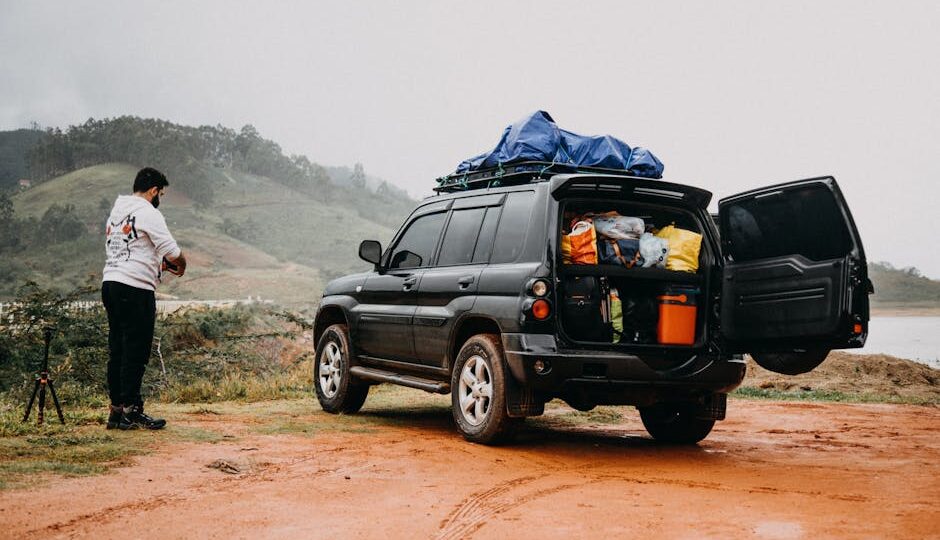
Check Your Car’s Essential Systems
Before setting out on a long journey, it’s crucial to ensure that your car’s essential systems are in top-notch condition. Modern cars, especially those built post-2024, come equipped with advanced diagnostic systems that can alert you to potential issues before they become major problems. However, a manual check remains indispensable.
- Brakes: Test your brakes for any signs of wear. Listen for unusual sounds when applying them and consider having your brake pads and fluid checked by a professional.
- Tires: Ensure your tires are properly inflated to the manufacturer’s specifications. Don’t forget to check the condition of your spare tire as well, as it could be a lifesaver on a remote stretch of highway.
- Fluids: Check engine oil, coolant, brake fluid, and windshield washer fluid. Top them off if necessary to prevent breakdowns.
Leverage the Power of Technology
Today’s vehicles are equipped with an array of technological features designed to enhance your travel experience. Utilize these tools to make your journey smoother and safer.
- GPS and Navigation Apps: Use real-time GPS systems integrated with your car’s dashboard to avoid traffic and find the best routes. Applications like Waze or Google Maps can alert you to real-time traffic conditions, road closures, and even speed traps.
- Vehicle Health Apps: Many 2026 vehicles have apps that monitor the health of your car. These apps can provide real-time diagnostics and even predict potential issues.
- Entertainment Systems: Ensure your car’s entertainment system is stocked with music, podcasts, and audiobooks. A good playlist can make long hours on the road much more enjoyable.
Pack Smart and Stay Organized
Nothing derails a road trip like realizing you’ve forgotten something essential or can’t find something you need. Packing smart ensures everything is at hand when you need it.
- First Aid Kit: Always have a well-stocked first aid kit. Include items like band-aids, antiseptic wipes, pain relievers, and any personal medications.
- Emergency Kit: An emergency kit with road flares, jumper cables, and basic tools can be a lifesaver. A flashlight with extra batteries is also recommended.
- Snacks and Water: Keep a supply of snacks and bottled water to stay refreshed and alert. This is especially important on longer stretches where stops might be infrequent.
Plan Your Stops
Planning your stops ahead of time can lead to a more enjoyable and stress-free travel experience. Identify places where you can take breaks, refuel, and maybe even explore a bit.
- Rest Stops: Use a reliable app or website to find well-maintained rest areas. This not only helps you stretch your legs but can also be a great opportunity to discover local attractions.
- Fuel Stations: Plan your fuel stops, especially on long stretches of highway where stations might be sparse. Keeping your tank more than half full is a good rule of thumb.
- Lodging Options: For multi-day trips, book accommodations in advance. Look for places with good reviews and reasonable prices to ensure a comfortable stay.
Ensure You’re Well-Prepared for Different Road Conditions
Long-distance travel often means encountering varied road conditions. From mountainous regions to coastal highways, it’s crucial to be prepared.
- Weather Forecasts: Check the weather forecasts for your route. In 2026, many apps can provide accurate, real-time weather updates to help you prepare for rain, snow, or other adverse conditions.
- Road Conditions: Websites and apps like Roadtrippers can offer insights into current road conditions, including construction zones and detours.
- Vehicle Modifications: Depending on your route, consider temporary modifications like snow chains for mountainous regions or sunshades for hot, desert areas.
Final Practical Takeaway
Long-distance travel can be a thrilling experience, but preparation is key to ensuring it remains an enjoyable one. By checking your vehicle’s systems, leveraging technology, packing smart, planning your stops, and preparing for varied road conditions, you’re setting the stage for a successful journey. Remember, the road is not just about the destination but the adventures and experiences you gather along the way.