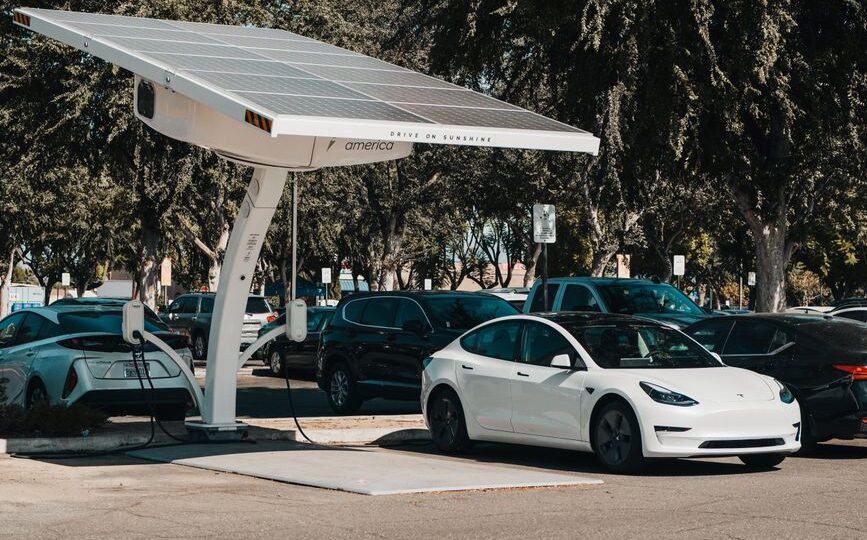
The Dawn of Solar-Powered Vehicles
As we zoom into the mid-2020s, the automotive industry is embracing solar energy like never before. While electric vehicles (EVs) have dominated conversations over the past decade, solar-powered cars are quietly making their presence known. This year, 2026, might just be the tipping point for these sun-drenched vehicles to enter the mainstream. But what makes this year different from previous attempts? Let’s delve into the factors that are propelling solar-powered cars into the limelight.
Technological Breakthroughs: Harnessing the Sun Efficiently
The technology underpinning solar-powered vehicles has seen significant advancements. Solar panels have become more efficient, lightweight, and affordable, thanks to innovations in photovoltaic cells. Companies like Sono Motors and Lightyear, with their pioneering models, are setting benchmarks by integrating solar panels seamlessly into car designs without compromising aesthetics or aerodynamics.
In 2026, the Lightyear 2, a solar-assisted EV, promises to deliver over 700 kilometers on a single charge, with an additional 80 kilometers purely from solar energy. This leap from previous models indicates that solar power is no longer a mere supplement, but a viable primary source of energy for certain driving conditions.
Environmental and Economic Drivers
The shift towards solar vehicles is also driven by an increased awareness of environmental impacts and fuel costs. With global energy prices fluctuating and governments around the world tightening emissions regulations, consumers are looking for sustainable and cost-effective alternatives. Solar-powered cars offer a double advantage: reduced reliance on charging infrastructure and minimal ongoing fuel costs.
- Government Support: Many governments are rolling out incentives for vehicles that contribute to environmental sustainability. Tax rebates, reduced registration fees, and subsidies for solar panel installations are making solar vehicles an attractive proposition.
- Market Demand: There’s a growing consumer base willing to pay a premium for environmentally friendly cars that offer unique value propositions, such as solar charging.
Challenges on the Road Ahead
Despite the promise, solar-powered cars are not without their challenges. The primary hurdle is the limited energy that can be harvested due to the size of the car’s surface area and the variability of sunlight. While urban centers like San Diego and Phoenix are ideal for maximizing solar energy, regions with less sunlight might not see the same benefits.
The current infrastructure is another bottleneck. While electric charging stations are becoming commonplace, solar vehicles require dedicated spaces for optimal sun exposure. This need might slow down their adoption in densely populated urban areas where space is a premium.
Innovative Designs: Marrying Form and Function
Car manufacturers are not just focusing on technology but also on design. The aesthetics of solar cars are evolving to appeal to mainstream buyers. The integration of solar panels into sleek, futuristic designs has caught the imagination of car enthusiasts. Moreover, interior designs are being reimagined to reflect the eco-friendly ethos, using sustainable materials and minimalistic approaches.
Manufacturers are also exploring flexible solar panels that can contour to various body shapes, opening up new design possibilities and effectively turning the car into a moving solar farm.
Practical Takeaway: Is a Solar-Powered Car Right for You?
If you’re considering a solar-powered vehicle, think about your location and driving habits. If you reside in a sun-rich area and have a moderate daily commute, a solar car could significantly reduce your energy costs. However, if you live in a cloudy region, the benefits might not be as pronounced. Still, the combination of solar and electric might offer enough range and sustainability to outweigh traditional vehicles.
As we move towards a greener future, solar-powered cars are no longer a niche curiosity but a serious contender in the automotive arena. For the environmentally conscious consumer, 2026 might just be the year to shine a light on solar power’s true potential.