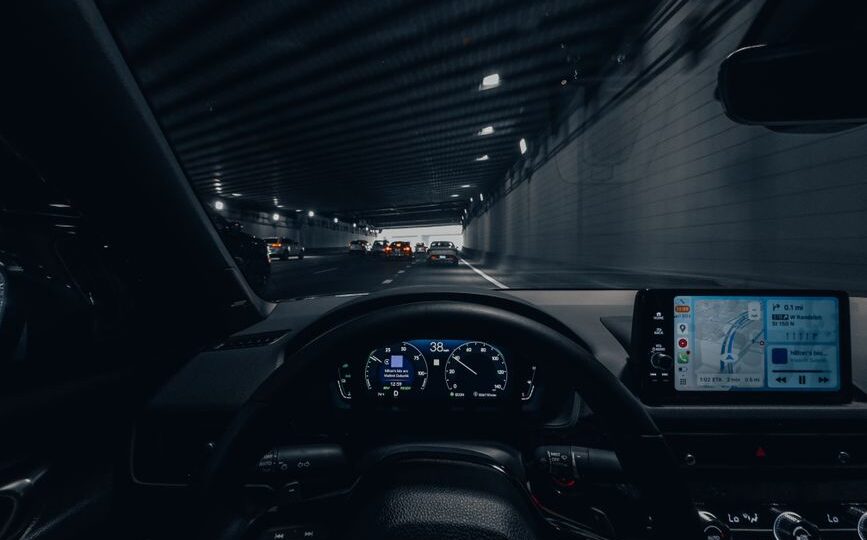
The Evolution of Car Personalization
The days of one-size-fits-all vehicles are rapidly fading into the rearview mirror. In 2026, the automotive landscape is increasingly dominated by AI-driven personalization, which is reshaping how we perceive, purchase, and interact with our cars. From custom interiors to adaptive driving modes, cars are now as unique as their drivers.
Gone are the years of static design options. Today, automotive brands are leveraging artificial intelligence to offer hyper-personalized experiences. Imagine a car that knows your favorite seat position, the optimal climate setting, and even your preferred ambient lighting based on the time of day. It’s not just about preferences; it’s about creating an environment that feels uniquely yours.
The Role of AI in Customization
AI is the secret sauce behind this revolution. Advanced algorithms analyze an array of data—from your driving habits to your Spotify playlist—crafting a driving experience that’s both intuitive and tailored. These smart systems learn as you drive, constantly updating and refining settings to match your evolving tastes and needs.
For instance, let’s say you often take long, scenic routes home after a hectic day at work. Over time, your car might suggest alternative routes that offer a more relaxed drive, even adjusting the suspension for a smoother ride tailored to those roads. AI doesn’t just adapt; it anticipates.
Transforming Interiors: More Than Just Aesthetics
Personalization extends beyond the mechanical and into the aesthetic. The interior of your vehicle can now be transformed almost as easily as swapping out themes on a smartphone. Thanks to advances in smart materials and 3D printing, drivers can choose from a seemingly endless array of textures, colors, and designs, all driven by AI recommendations based on your interactions.
Imagine stepping into a cocoon of comfort designed to reflect your lifestyle. AI systems can suggest upholstery modifications or even suggest art-inspired themes based on your latest museum visit. The possibilities are as vast as your imagination.
Adaptive Performance: Driving Modes Tailored for You
Performance customization has taken a quantum leap forward. With AI’s analytical prowess, vehicles can now switch between custom driving modes that optimize everything from fuel efficiency to power output, all based on real-time conditions and your specific needs.
If you’re a thrill-seeker, your car might offer a sport mode that enhances acceleration and handling, perfect for those open roads. Alternatively, if you’re navigating through city traffic, an eco-mode might prioritize efficiency, all while maintaining the comfort and control you desire.
The Future: A Personalized Automotive Ecosystem
Looking ahead, this trend is set to redefine the very essence of mobility. As cars become even more integrated into our digital lives, we will see a seamless merge between our automotive and personal ecosystems. Imagine receiving health updates from your wearable tech, which your car uses to adjust climate settings to enhance comfort during your drive.
Furthermore, AI can facilitate communication between your vehicle and smart home devices, prepping your environment before you even step out of the car. Personalization is evolving into a holistic ecosystem where vehicles are not just transportation tools but extensions of our personal spaces.
Practical Takeaway
As we embrace this new era of hyper-personalized cars in 2026, it’s crucial for consumers to recognize the power of AI in enhancing their driving experience. By understanding the technology’s capabilities, you can make informed choices about features that truly align with your lifestyle. The future of driving is personal, and it’s here for you to shape.