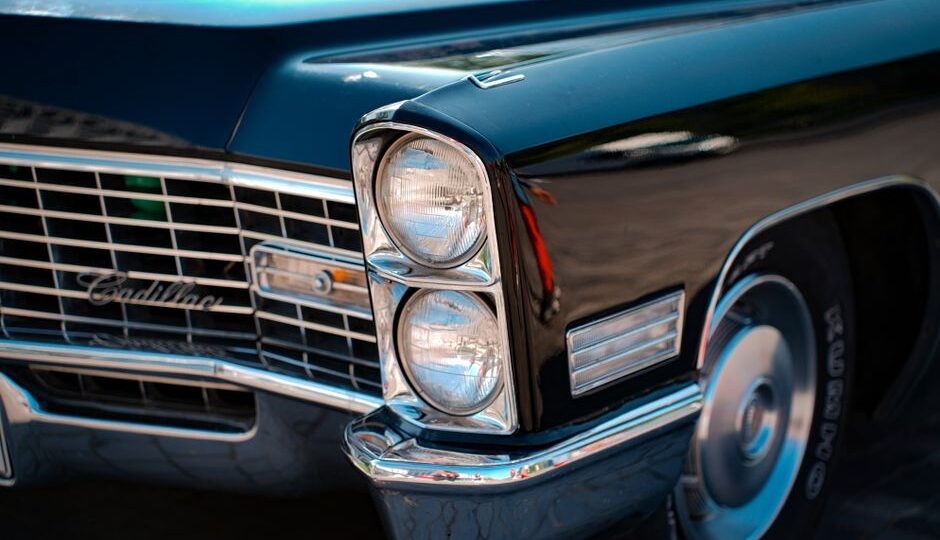
The Revival of Classic Cars
2026 is shaping up to be an unforgettable year for car enthusiasts with a penchant for the classics. There’s a distinct shift in the air, a renewed passion for the vehicles that once graced the roads with both elegance and raw power. The rise in classic car restoration is not only bringing back the golden days of motoring but is also positioning itself as a lucrative venture for those who know their way around a carburetor.
From the rolling hills of California’s vintage car auctions to the quaint garages tucked away in the English countryside, the allure of classic car restoration has never been stronger. But why is 2026 the perfect year to start your restoration journey? Let’s delve into the details.
Technological Advancements in Restoration
The automotive world has seen some groundbreaking technological advancements over the past few years. In 2026, these advancements have trickled into the classic car restoration scene, making it easier and more efficient than ever to bring these timeless vehicles back to life.
- 3D Printing: The advent of 3D printing technology has revolutionized the way we approach restoration. No longer are enthusiasts scouring junkyards or scouring rare parts catalogs. Now, they can simply print the parts they need, ensuring perfect fits and preserving original aesthetics.
- Advanced Materials: Material science has introduced new, durable compounds that replicate the look and feel of vintage materials while offering enhanced longevity. From upholstery to engine components, these materials are proving to be invaluable in the restoration process.
- Enhanced Diagnostic Tools: Modern diagnostic tools are now being adapted for classic car engines, allowing for precise tuning and troubleshooting without compromising the authenticity of the vehicle.
A Growing Community and Support Network
One of the most encouraging developments for classic car restoration in 2026 is the surge in community support and resources. As interest grows, so does the availability of forums, clubs, and events dedicated to these automotive gems.
Restoration workshops are popping up globally, offering enthusiasts the chance to learn from seasoned professionals. Events like the Goodwood Revival and Pebble Beach Concours d’Elegance are not just showcases; they are networking opportunities where restorers can exchange knowledge and techniques.
Moreover, online communities have become treasure troves of information, with dedicated platforms where enthusiasts share stories, challenges, and solutions. From Facebook groups to specialized forums, there’s an endless supply of camaraderie and support.
Environmental Considerations and Sustainable Practices
As the world pivots towards sustainability, the classic car restoration industry is not far behind. 2026 has introduced a wave of environmentally-friendly practices that are redefining how restorations are conducted.
- Biodiesel and Electric Conversions: Many restorers are opting to convert classic engines to run on biodiesel or opting for electric conversions, ensuring that these beauties can run cleanly for years to come.
- Recycling and Upcycling: The mantra of reduce, reuse, recycle is gaining traction among restorers. By using recycled materials or upcycling parts, restorers are minimizing waste and promoting sustainability.
- Eco-Friendly Paints and Finishes: The market now offers a range of eco-friendly paints and finishes that provide the same luster and protection without the environmental cost.
The Investment Angle
Classic cars are not just passion projects; they are also becoming increasingly attractive investment opportunities. 2026 sees a steady rise in the value of restored classics, with many vehicles appreciating significantly faster than conventional investments.
Brands like Aston Martin, Jaguar, and Porsche have seen their vintage models soar in value, often fetching prices well beyond their initial cost. Auctions houses like Sotheby’s and Barrett-Jackson report record sales year after year, underscoring the financial potential of well-restored vehicles.
For those with a keen eye and a knack for negotiation, classic car restoration can yield both emotional and monetary rewards, making 2026 an ideal year to enter the market.
Embracing the Journey
While the allure of restored classic cars is undeniable, the journey itself is where the true joy lies. The process of bringing an old vehicle back to life is a rewarding experience that connects us with history, craftsmanship, and our own creativity.
In 2026, as the world embraces both innovation and tradition, classic car restoration stands as a testament to the timeless appeal of automobiles. Whether you’re driven by passion, investment, or a love for all things vintage, there’s no better time to embark on this journey.
Practical Takeaway: If you’re considering diving into classic car restoration, 2026 offers a perfect blend of technology, community support, and financial incentive. With the right approach and resources, you can transform an old chassis into a roaring masterpiece while enjoying every step of the process.