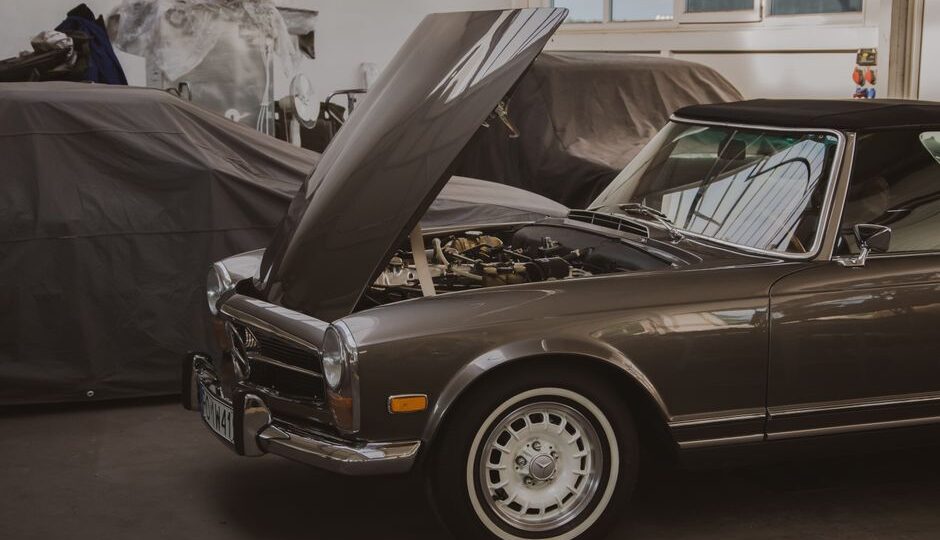
The Revival of Timeless Icons
In 2026, the automotive world is undergoing a fascinating reversal. While the global focus has been largely on electric and autonomous vehicles, a counter-culture movement has emerged, championing the charm and engineering brilliance of classic cars. Enthusiasts are not just preserving decades-old vehicles; they are reintroducing them to the roads, celebrating the analog experience in a digital age.
Classic car clubs, vintage rallies, and retro car shows have seen a surge in attendance globally. Whether it’s the elegant curves of a 1960s Jaguar E-Type or the raw power of a 1970s Ford Mustang, these vehicles provide a nostalgia-fueled escape from the homogeneous electric cars of today.
The Mechanics of Nostalgia
One of the driving forces behind this resurgence is the tactile pleasure of manual driving. For many, the satisfaction of shifting gears manually or the rumble of a carbureted engine offers a visceral connection to the car that automated systems simply can’t replicate. This hands-on interaction is a breath of fresh air in an era dominated by screens and automation.
Moreover, the craftsmanship of older cars has become a point of admiration. Enthusiasts and collectors are investing significant sums into restoring these machines to their original glory. Just in the first half of 2026, the classic car restoration industry reported a 15% increase in revenue, highlighting the growing demand for skilled craftsmen.
The Rise of Sustainable Classic Car Ownership
Owning a classic car in 2026 isn’t just about nostalgia; it’s also about sustainability. As electric vehicle technology advances, we are witnessing the integration of modern eco-friendly solutions with classic designs. Many classic car owners are opting for electric conversions, allowing them to drive their iconic vehicles with a smaller carbon footprint.
This hybrid approach offers the best of both worlds: the allure of a classic car with the environmental benefits of modern electric vehicles. Companies specializing in these conversions have popped up across the globe, with notable players like UK-based Electric Classic Cars and California’s EV West leading the charge.
The Social Aspect: Classic Car Communities
Part of the appeal of classic cars lies in the vibrant communities that have formed around them. These communities offer a sense of belonging and camaraderie that transcends the driving experience. Classic car clubs organize events, meet-ups, and drives, often with a picturesque backdrop that enhances the entire experience.
Events such as the Goodwood Revival in England or the Pebble Beach Concours d’Elegance in the United States draw thousands of participants and spectators who revel in the history and culture surrounding these automotive masterpieces.
Investing in History
Beyond the sensory and social experiences, classic cars have proven to be lucrative investments. The classic car market has shown resilience and growth, with certain models appreciating significantly in value. For instance, a 1967 Ferrari 275 GTB/4 Berlinetta sold for over $25 million at auction in early 2026.
This financial aspect makes classic car ownership appealing not just for enthusiasts but also for investors looking to diversify their portfolios with tangible assets that have historical significance.
Practical Takeaway: How to Dive into the Classic Car World
For those eager to join the classic car movement, start by visiting local car shows and joining forums or social media groups dedicated to classic car enthusiasts. Research is key; learn about the specific models that interest you and understand their maintenance needs.
If sustainability is a priority, consider looking into electric conversion options for your classic car. This can be a rewarding project that blends your love for vintage aesthetics with modern sensibilities.
Finally, remember that classic car ownership is as much about passion as it is about the mechanics. Immerse yourself in the community, attend events, and relish the opportunity to drive a piece of history.