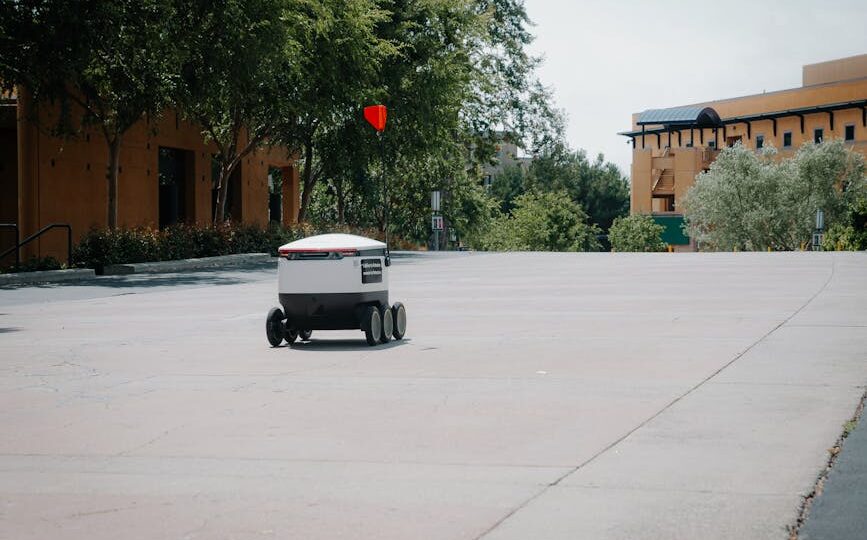
The New Era of Delivery: Autonomous Vehicles
In 2026, autonomous delivery vehicles have become an integral part of urban infrastructure. They’re not just a fleeting technological trend; they are reshaping how we think about logistics, urban planning, and even daily life. From groceries to medical supplies, these driverless wonders bring efficiency and sustainability to our cities.
How Autonomous Delivery Vehicles Operate
Autonomous delivery vehicles use a combination of advanced GPS systems, artificial intelligence, and sensor technology to navigate cityscapes. For instance, companies like Nuro and Starship Technologies have developed small, nimble vehicles capable of navigating sidewalks and bike lanes. Equipped with LIDAR and real-time traffic data processing, these vehicles make accurate, split-second decisions.
These vehicles operate within urban geofences, ensuring they stay within mapped areas. A typical route might involve picking up a package from a central hub and delivering it to a designated drop-off point. The entire process is tracked and monitored, allowing for real-time updates to customers via mobile apps.
Transforming Urban Landscapes
As cities like San Francisco, New York, and London adapt to this new mode of delivery, the urban landscape is transforming. Dedicated lanes for autonomous vehicles are being introduced, akin to bus lanes but for robots. Sidewalks are being redesigned to accommodate these vehicles without impeding pedestrian traffic.
- Reduced Traffic Congestion: With more deliveries happening autonomously, there’s a significant reduction in traditional delivery vans on the roads, easing congestion and lowering emissions.
- Enhanced Urban Planning: Urban areas are rethinking zoning laws and infrastructure to better integrate this technology. Parking spaces for delivery vehicles are being repurposed for more green areas or pedestrian use.
Environmental Benefits
A significant advantage of autonomous delivery vehicles is their environmental impact. Most of these vehicles are electric, contributing to cleaner air and reduced carbon footprints. In places like Amsterdam, where sustainability is a priority, this shift aligns perfectly with environmental goals.
For example, a study in 2025 showed that autonomous delivery systems reduced city-wide emissions by up to 15% within their first year of implementation. This reduction was primarily due to fewer internal combustion engine vehicles on the road.
Challenges and Considerations
Despite their benefits, integrating autonomous delivery vehicles into urban life isn’t without challenges. Safety remains a paramount concern. Incidents of vehicles stalling or misjudging obstacles prompt ongoing developments in AI decision-making algorithms.
There’s also the issue of job displacement. As automation increases, roles traditionally held by delivery drivers are evolving. However, this also opens opportunities in fields like vehicle maintenance and AI systems management.
The Future Outlook
The potential of autonomous delivery vehicles is vast. By 2027, it’s expected that up to 50% of urban deliveries in major cities will be performed by these vehicles. Innovations in vehicle design, such as modular transport units and drones complementing ground vehicles, continue to expand possibilities.
Local governments and businesses are actively collaborating to ensure that the integration of these vehicles is as seamless and beneficial as possible. From reducing urban pollution to enhancing efficiency, autonomous delivery vehicles are more than a technological advancement—they’re a catalyst for urban evolution.
Practical Takeaway
For businesses and city planners, embracing this wave of change means increased efficiency and sustainability. Cities need to proactively adapt infrastructure to support this technology, while businesses should consider how integrating autonomous delivery can streamline operations.