The Evolution of Car Customization
Car customization has always had a strong following. From the hotrods of the 1950s to the neon-lit street racers of the 2000s, enthusiasts have consistently sought to personalize their rides. Fast forward to 2026, and the landscape has dramatically shifted. As electric vehicles (EVs) dominate the market, a new trend emerges—custom EV tuning. This movement focuses on optimizing electric cars for individual performance preferences and aesthetic flair.
The New Frontier: Software Tuning
Unlike their combustion engine predecessors, electric cars offer unique tuning opportunities primarily through software modifications. In Miami, renowned EV tuning shop Electron Surge has become a hotspot for software enhancements. Their most popular service? Boosting the torque of Tesla Model 3s and Ford Mustangs Mach-E by 15% without sacrificing battery efficiency. By recalibrating the software, enthusiasts are now able to unlock hidden potentials in their EVs, something once constrained by mechanical limitations.
Beyond Performance: Aesthetic and Functional Modifications
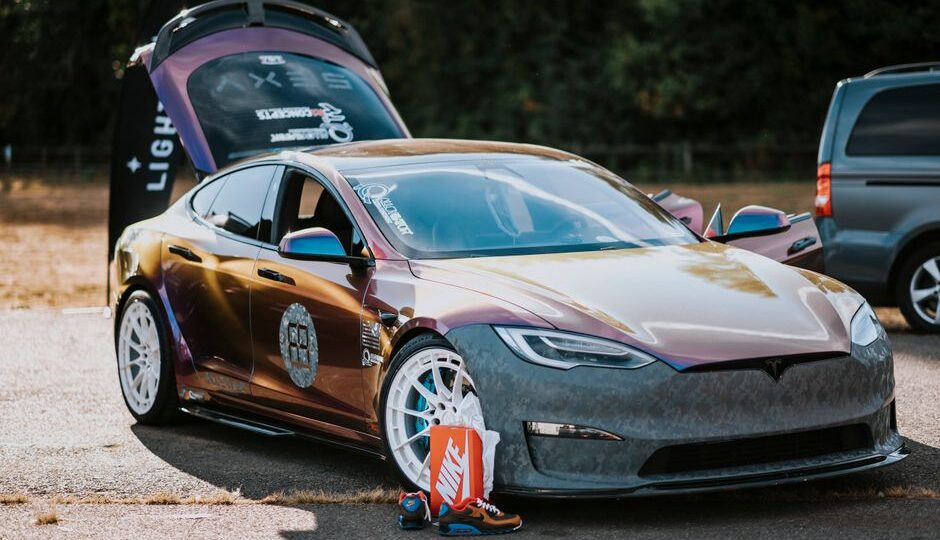
It’s not just about going faster. Customization in 2026 extends to aesthetics as well. In Los Angeles, the company VividVolt specializes in creating bespoke exterior finishes using eco-friendly, low-impact materials. They’ve seen a 40% increase in demand for color-changing wraps that react to ambient lighting conditions. Meanwhile, in Tokyo, LuminaMods has pioneered LED matrix technologies for car exteriors, allowing drivers to display custom graphics on their vehicle surfaces.
The Role of 3D Printing in Customization
3D printing technology has revolutionized the automotive modification industry, making it more accessible and sustainable. Parts that once took weeks to manufacture can now be printed in a matter of hours. Companies like PrintAuto in Berlin are leading the way by offering custom-printed interior components. This technology allows for personalized dashboard designs, customized seating ergonomics, and even bespoke steering wheels, tailored to the driver’s grip preference.
Regulations and Safety Considerations
With great customization comes great responsibility. The surge in EV tuning has caught the attention of regulatory bodies worldwide. In the EU, new directives ensure that any software modifications are compliant with safety and emissions standards. The U.S. has followed suit, with the National Highway Traffic Safety Administration (NHTSA) implementing guidelines to ensure any aesthetic or performance enhancement does not compromise the vehicle’s safety systems. This has led to a burgeoning market of certified tuning professionals, trained to balance customization with compliance.
The Future of EV Customization
As we move further into the electric age, the appetite for personalization shows no sign of waning. Industry experts predict that by 2027, more than 60% of new EV owners will seek some form of customization within the first year of ownership. With continued advancements in AR design platforms and AI-driven customization recommendations, the path to a truly personalized driving experience seems limitless.
Takeaway: As electric vehicles become more prevalent, so too does the desire to make them uniquely ours. Enthusiasts are finding new ways to express individuality and enhance performance through innovative software tuning, 3D printing, and eco-friendly materials. Whether for aesthetics or performance, the rise of custom EV tuning is here to shape the future of driving in electrifying ways.