Introduction to Interactive Windshields
Imagine driving down the highway and having your windshield seamlessly display navigation instructions, detect obstacles, and even provide real-time traffic updates. Welcome to the era of augmented reality (AR) windshields in 2026. These advanced systems are transforming the driving experience, blending technology with practicality to improve safety, convenience, and enjoyment on the road.
The Technology Behind Augmented Reality Windshields
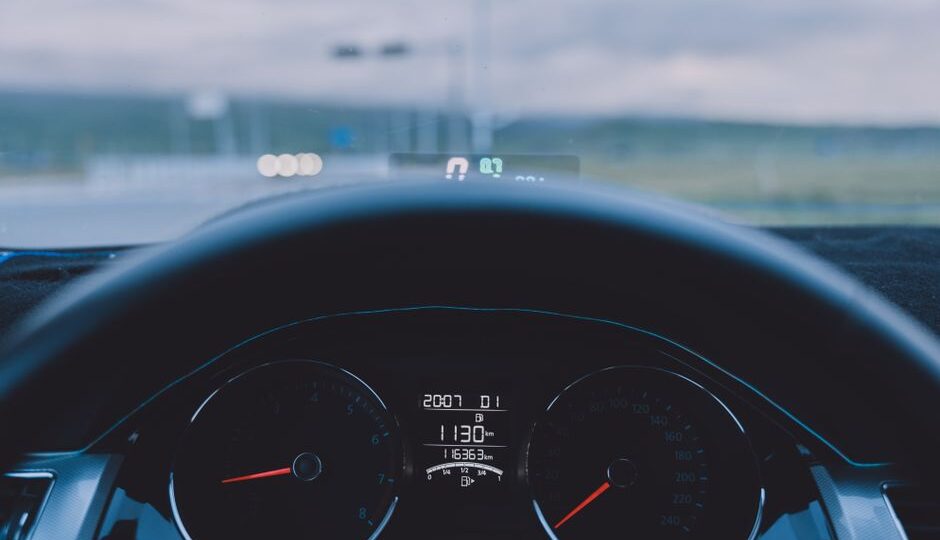
The core technology driving AR windshields consists of heads-up displays (HUDs) integrated with the vehicle’s windshield. Utilizing a combination of projectors, cameras, and advanced software, these systems overlay critical information directly onto the glass, providing drivers with data that traditionally required glancing at a dashboard or infotainment screen.
For instance, companies like Bosch and Panasonic have developed AR HUDs that use AI algorithms to enhance the driver’s field of view. By processing data from sensors and cameras, the system can highlight pedestrians, animals, and even debris on the road, offering an intuitive and interactive driving experience.
Enhancing Safety and Navigation
Augmented reality windshields are poised to revolutionize road safety. With real-time hazard detection, navigation arrows guiding turns, and speed limit notifications appearing directly in a driver’s line of sight, these systems help reduce distractions and improve focus. According to a study by the National Highway Traffic Safety Administration (NHTSA), AR windshields can reduce reaction times by up to 20%.
Moreover, interactive windshields make navigating unfamiliar routes less stressful. Instead of relying solely on auditory GPS instructions or glancing at a small screen, drivers can see navigation cues overlaid directly on the road ahead, with landmarks and exits marked clearly.
Integration with Smart City Infrastructure
As cities become smarter, interactive windshields are integrating with urban infrastructure to provide even more value. In cities like San Francisco and Berlin, AR windshield systems connect with traffic management systems to offer real-time updates about road conditions, construction zones, and available parking spaces.
This connectivity not only enhances the driving experience but also contributes to more efficient traffic flow and reduced congestion as drivers receive timely information to make informed decisions on the go.
Challenges and Considerations
Despite the exciting prospects, the implementation of AR windshields still faces several challenges. One of the primary concerns is ensuring that the information displayed does not become overwhelming or distracting. Developers must balance providing useful data with maintaining a clear and unobstructed view of the road.
Additionally, the cost of integrating advanced AR systems into vehicles could be prohibitive for some consumers. While manufacturers are working on cost-effective solutions, it might take a few more years for the technology to become mainstream in all vehicle segments.
The Future of AR Windshields
Looking forward, the potential for augmented reality in automotive applications is vast. Beyond navigation and safety, future developments may include personalized driving experiences, where windshields could display user-customized interfaces, social media updates, and entertainment options tailored to passenger preferences.
Moreover, as autonomous driving technology continues to evolve, AR windshields will likely play a critical role in transitioning between manual and automated driving modes by providing clear instructions and feedback to the driver.
Overall, the rise of interactive windshields in 2026 marks a significant step forward in automotive innovation, promising a safer and more engaging driving experience for all.
Practical Takeaway
As we embrace the advancements in augmented reality windshields, it’s clear they offer a glimpse into the future of driving. By combining real-time data with intuitive visuals, these systems not only enhance safety but also make driving a more coordinated and enjoyable experience. For those in the market for a new car, exploring models with AR windshield technology could be a wise investment in both safety and technology.