Why Self-Driving Technology Matters More Than You Think
The year is 2026, and the automotive landscape has shifted dramatically. Self-driving technology, once a distant vision, has become a tangible reality. You might be wondering why this matters so much. Let’s take a deep dive into the heart of autonomous vehicles and their growing significance.
The Dawn of Safer Roads
Safety is the cornerstone of the self-driving narrative. According to the National Highway Traffic Safety Administration (NHTSA), over 90% of road accidents are attributed to human error. This statistic is staggering, considering that globally, 1.35 million people lose their lives on roads annually. Autonomous vehicles promise to drastically reduce these numbers by eliminating human errors such as distraction, fatigue, and impaired driving.
Take, for instance, Waymo’s autonomous fleet, which has clocked over 20 million miles on public roads in the United States. Their data suggests a significant reduction in accidents compared to human-driven vehicles. These vehicles are equipped with advanced sensors and machine learning algorithms that process complex data rapidly, making split-second decisions that are more reliable than human reflexes.
Environmental Impact
The environment is another frontier where self-driving technology can make a profound impact. Urban areas like San Francisco and Los Angeles have long struggled with pollution and congestion. Autonomous vehicles are designed to operate more efficiently, reducing fuel consumption and emissions.
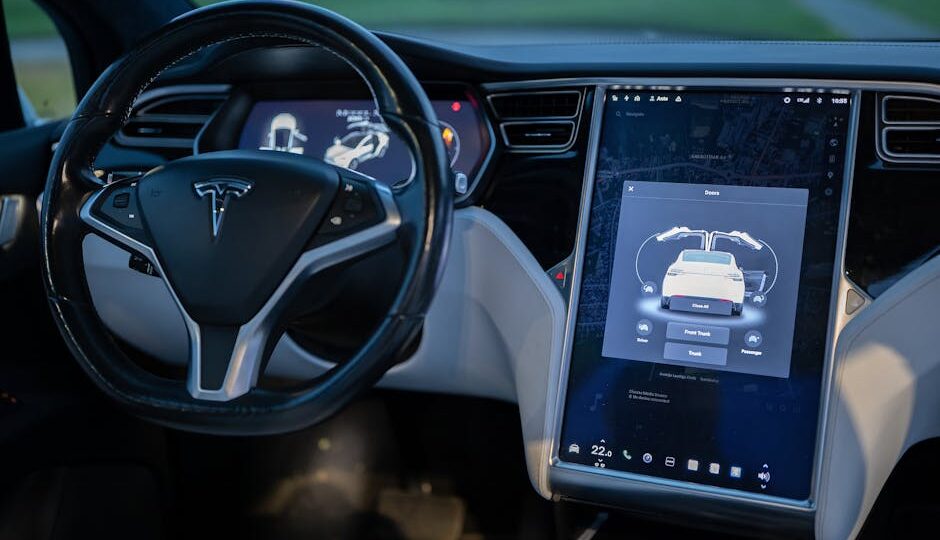
Companies like Tesla are leading the charge by integrating electric self-driving cars into their fleets. These vehicles not only reduce our carbon footprint but also support renewable energy sources. Consider this: if autonomous electric vehicles were widely adopted, they could decrease urban transportation emissions by up to 60% by 2030, according to a study by the International Council on Clean Transportation.
Accessibility and Mobility
Imagine a world where everyone, irrespective of age or physical ability, has access to personal mobility. Self-driving technology is paving the way for such inclusivity. For the elderly or people with disabilities, autonomous vehicles offer newfound independence and freedom.
In places like Tokyo, where the population is aging rapidly, autonomous ride-sharing services provide a practical solution to mobility challenges. These services ensure that even those without the ability to drive can maintain their quality of life and stay connected with their communities.
Economic Implications
The ripple effect of autonomous technology extends to the economy as well. It’s estimated that the industry could contribute over $800 billion to the global economy by 2035. This growth stems from the creation of new jobs in AI development, data analysis, and vehicle maintenance, among others.
Moreover, companies like Uber and Lyft are already shifting gears towards autonomous fleets. This transition could significantly reduce operational costs, leading to cheaper rides for consumers and potentially increasing the demand for ride-sharing services.
Driving Innovation
The push towards self-driving cars is fueling innovation in several related fields. From the development of advanced sensors to improvements in battery technology and AI, the ripple effects are vast.
- AI and Machine Learning: Companies are investing heavily in AI to improve vehicle decision-making processes.
- 5G Connectivity: Faster internet speeds enhance vehicle-to-vehicle and vehicle-to-infrastructure communication.
- Cybersecurity: With increased connectivity comes the need for robust security measures to protect against hacking threats.
Practical Takeaway
As we embrace this technological evolution, it’s crucial to acknowledge the tangible benefits that self-driving technology offers. From enhancing road safety to reducing environmental impact and boosting economic growth, the implications are far-reaching.
For those considering investments in the automotive sector or simply pondering the future of transportation, autonomous technology is not just an option—it’s the next logical step. Whether we’re looking at a safer road experience or the promise of cleaner air, the impact of self-driving technology extends far beyond what meets the eye.