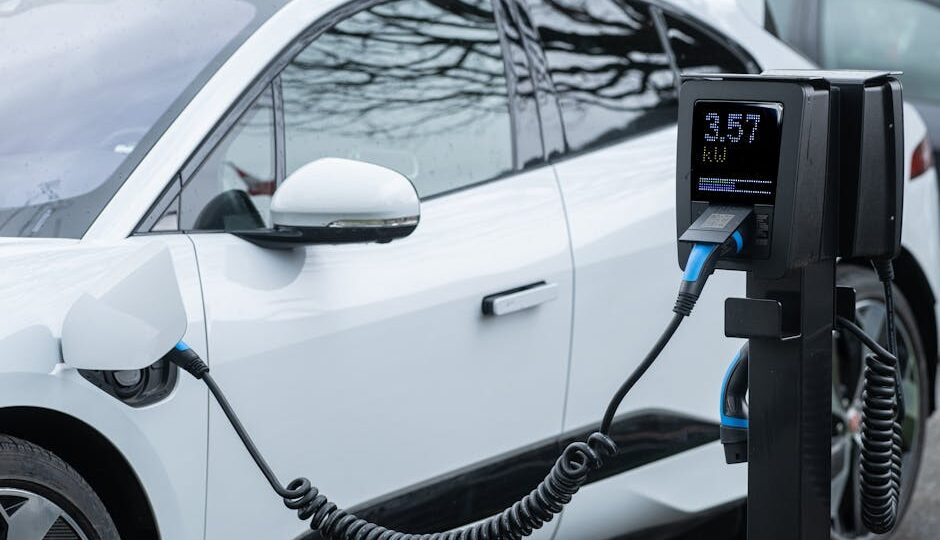
5 Reasons Why Electric Vehicles Will Dominate the Roads by 2027
The automotive world is on the cusp of a major transition. As we accelerate into 2027, the landscape is unmistakably shifting towards electric vehicles (EVs). If you’re still debating whether EVs are the future, let’s break down why these innovations are soon to reign supreme on our roads.
The Global Push for Sustainability
Environmental consciousness has transformed from a trend into a global necessity. Cities like Copenhagen and Amsterdam have long led the charge in sustainable transport, but now even megacities like New Delhi and Los Angeles are championing electric vehicles to tackle pollution. A significant cut in greenhouse gas emissions and air pollutants is propelling governments to enact policies that favor EV adoption. As of 2026, over 80 countries have pledged to significantly reduce their carbon footprints by 2030, with electric vehicles being a cornerstone of these plans.
The European Union, for example, aims for a 55% reduction in emissions by 2030, largely through electrifying its fleet. With such ambitious targets, the pressure is on for manufacturers and consumers alike to ditch fossil fuels and embrace electric energy.
Technological Advances and Cost Reductions
The evolution of technology has always been a catalyst for change, and EVs are no exception. In just a few years, significant strides in battery technology have slashed costs, enhanced range, and curtailed charging times. Back in the early 2020s, a 300-mile range was a luxury; now, it’s a standard feature in many new models.
Companies like Tesla, Nissan, and even legacy brands like Ford and GM have heavily invested in research and development, resulting in cutting-edge battery and motor technologies. The price of lithium-ion batteries, for instance, has dropped by more than 85% since 2010, making EVs increasingly affordable for the average consumer.
- Range anxiety is becoming a relic of the past. With advancements like solid-state batteries on the horizon, EVs promise not just longer ranges but quicker charging times.
- Efficient production methods and economies of scale are further driving down costs, making EVs more accessible than ever.
Infrastructure is Catching Up
Charging infrastructure has often been the Achilles’ heel for EV adoption. However, the last few years have seen unprecedented growth in charging networks worldwide. The U.S., for example, has plans to install 500,000 public charging stations by 2030, and they’ve already achieved half that goal.
Companies such as ChargePoint and Electrify America are rapidly expanding their networks, ensuring that urban centers and rural areas are well-equipped to support EVs. Moreover, innovations like wireless charging and ultra-fast chargers are making the experience seamless, further incentivizing drivers to make the switch.
Urban planning is also evolving, with new residential and commercial developments integrating EV charging solutions, ensuring that charging becomes as second nature as finding a gas station.
Government Incentives and Policies
Financial incentives are a powerful motivator. In 2026, governments worldwide are rolling out enticing policies to lure drivers away from internal combustion engines. Tax credits, rebates, and lower registration fees are just a few of the perks available to EV buyers.
In the United States, federal tax credits for new EV purchases can be as much as $7,500. Meanwhile, countries like Norway are offering exemptions on value-added tax (VAT) and toll fees, not to mention preferential parking and access to bus lanes in urban areas.
- These incentives, combined with the natural cost savings from lower fuel and maintenance expenses, make EV ownership financially appealing.
Public Perception and Consumer Demand
The narrative around electric vehicles has evolved dramatically over the past decade. Once seen as niche products for the environmentally conscious elite, today’s EVs are mainstream, desirable, and increasingly viewed as status symbols.
High-profile endorsements and the undeniable success of models like the Tesla Model 3 and Ford Mustang Mach-E have shattered old stereotypes. Modern consumers are attracted to the sleek designs, cutting-edge technology, and the promise of being part of a sustainable future.
Social media and influencer culture have amplified this shift, making EVs aspirational. Couple that with consumer reports consistently highlighting the reliability and low-cost advantages of EVs, and the demand is set to skyrocket.
Takeaway: The roads of 2027 are set to be dominated by electric vehicles for good reason. With immense advancements in technology, infrastructure, government support, and shifting consumer attitudes, the EV revolution isn’t just imminent—it’s already underway. Whether you’re an enthusiast or just a commuter, the benefits of switching to electric are becoming impossible to ignore. Soon enough, the electric hum of the EV will be the soundtrack of our journeys.