The Road So Far: A Quick Recap
Autonomous vehicles have been the talk of the automotive world for years now, and by 2026, the landscape is already more futuristic than many could have imagined back in the early 2020s. With companies like Tesla, Waymo, and Baidu leading the charge, the sight of driverless cars in some cities has become almost commonplace. From urban shuttles to long-haul freight, these vehicles are reshaping how we think about transportation, convenience, and even urban planning.
More Than Just Cars: Expanding into New Territories
By 2027, autonomous vehicles won’t just be limited to personal cars or taxis. Expect to see drones zooming above cityscapes for deliveries, autonomous boats navigating busy ports, and even autonomous bikes making waves in urban areas. Japan, for example, has been testing autonomous bicycles to aid the aging population in maintaining mobility. These innovations are set to reach new heights, quite literally, as we move forward.
Infrastructure Upgrades: A Necessary Step
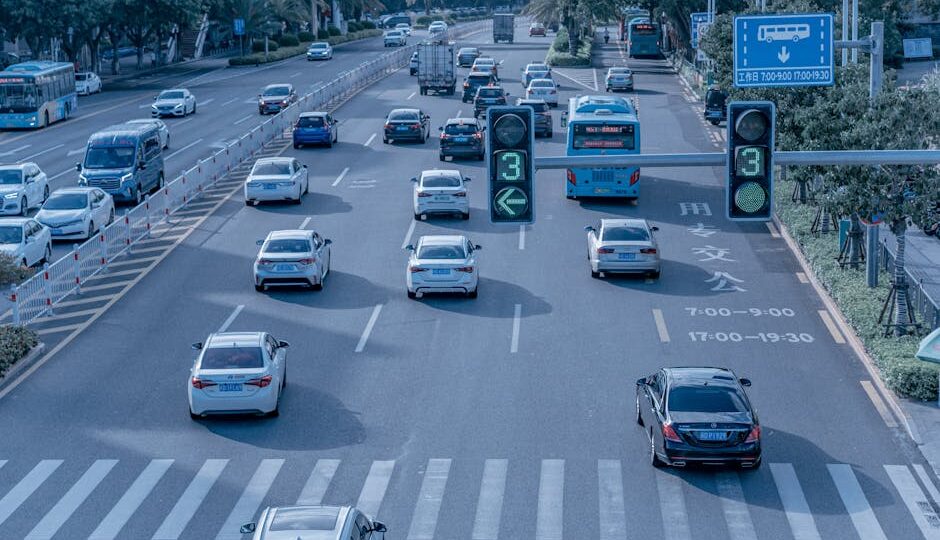
As vehicles become smarter, our cities must follow suit. By 2027, smart city infrastructures will be more widespread, allowing autonomous vehicles to communicate seamlessly with traffic signals, pedestrian crossings, and even other vehicles. Take Los Angeles, a city notorious for its traffic woes, which has already started investing heavily in smart road technologies to accommodate the influx of autonomous cars. These upgrades will be crucial not only for efficiency but also for safety.
Regulations and Ethics: Navigating the Complexities
While technology races ahead, legal frameworks have to catch up. By 2027, we anticipate clearer, more comprehensive regulations governing the use of autonomous vehicles. In Europe, the EU’s GDPR-like approach to data privacy for autonomous vehicles is leading the way, ensuring that while cars gather vast amounts of data, individual privacy is respected. Similarly, ethical concerns such as decision-making in unavoidable accident scenarios will be more thoroughly addressed by global bodies.
Impact on the Economy: Shifts in Jobs and Industries
The rise of autonomous vehicles is bound to have profound effects on the global economy. Truck driving, one of the largest occupations in the United States, could see significant changes. However, with these shifts come new opportunities. The demand for AI specialists, cybersecurity experts, and data analysts will likely surge. Cities like Detroit and Silicon Valley are already investing in retraining programs to prepare the workforce for these upcoming changes.
Personalized Travel: An Experience Tailored Just for You
Imagine stepping into a car that not only knows your destination but also adjusts the temperature, entertainment, and lighting to your preferences. By 2027, personalized travel experiences will be the norm. Companies like Apple, with its focus on user experience, are delving into the realm of autonomous vehicles, promising a seamless blend of technology and comfort that caters to individual needs. Barcelona, with its focus on promoting sustainable and smart transportation, is a city to watch in this regard.
Practical Takeaway: As we gear up for 2027, the world of autonomous vehicles promises to blend technology with everyday life in ways previously only dreamed of. For those keen on keeping pace, staying informed and adapting to the ever-evolving landscape of transportation will be key. Whether it’s understanding the latest regulations or exploring new job opportunities in this growing field, preparation will be your best ally in this new era of automotive innovation.