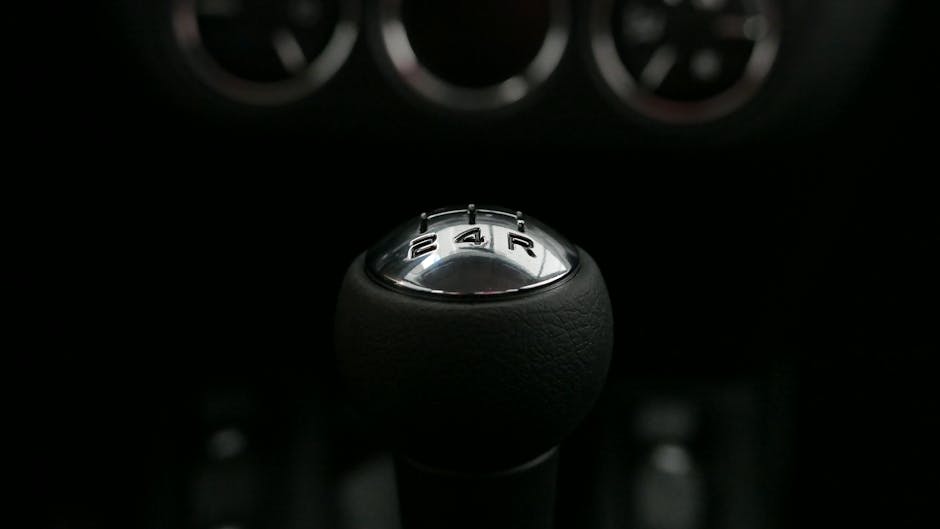
Why the Manual Transmission Isn’t Dead—Yet
In the era of autonomous vehicles and electric drivetrains, it might seem like the manual transmission is a relic of the past, cherished only by purists and nostalgia-driven enthusiasts. Yet, here we are in 2026, and the manual gearbox is still very much alive. While its prominence has certainly diminished, it continues to capture a share of the automotive world for several compelling reasons. Let’s delve into why this three-pedal setup hasn’t rolled into the annals of automotive history just yet.
The Unique Joy of Driving a Manual
Ask any car enthusiast about their first time driving a stick shift, and you’re bound to get a story filled with a mix of terror and exhilaration. There’s something uniquely engaging about being in complete control of the gear shifts. The tactile sensation of the gear stick, the precise timing required for a smooth transition, and the rewarding sense of accomplishment when you get it just right—these are experiences that automatic transmissions can’t replicate.
It’s not just about control; it’s about connection. A manual transmission requires a driver to be more attuned to their vehicle, making every drive an interactive experience. This connection is why some drivers, even in 2026, refuse to part with their beloved manuals. The joy is less about speed and efficiency and more about the journey itself.
A Loyal Market Niche
While it’s true that the majority of vehicles today come equipped with automatic transmissions, there’s a dedicated market for manuals that continues to thrive. Automakers like Mazda, Porsche, and even Ford still offer manual transmission options in select models. These brands understand that a segment of their customer base values the driving experience that only a manual can provide.
For instance, Mazda’s MX-5 Miata has long been celebrated for its engaging driving dynamics and remains available with a manual gearbox. Porsche has also kept the manual dream alive with models like the 911 and the Cayman, ensuring that driving purists can still enjoy the thrill of a stick shift.
The Economic Argument
When it comes to affordability, manual transmissions often come out on top. They are typically less expensive to manufacture and repair compared to their automatic counterparts. This cost-effectiveness can be a significant draw for budget-conscious buyers or those looking for a vehicle that’s easier and cheaper to maintain.
Manual transmissions also tend to be more fuel-efficient. Although the gap has narrowed significantly with advancements in automatic transmission technology, manuals can still offer better miles per gallon in certain driving conditions. This efficiency, coupled with the lower initial cost, presents a compelling economic case that keeps manuals in the conversation for people looking for a budget-friendly vehicle option.
Performance Purists and Track Enthusiasts
For those who live for the thrill of the track, a manual transmission is often a non-negotiable feature. The control and precision offered by a manual gearbox are prized among performance purists. Many track enthusiasts argue that the mechanical connection between driver and car provided by a manual transmission is essential for achieving the perfect lap time.
Automakers have responded to this demand by creating high-performance vehicles that cater specifically to this crowd. Cars like the Ford Mustang GT and the BMW M3 continue to offer manual versions, ensuring that those who crave the racing experience can have their needs met. These vehicles often come with additional features that enhance the driving experience, such as advanced traction control systems that work in harmony with the manual gearbox.
Learning and Skill Development
Learning to drive a manual transmission is a rite of passage for many, providing valuable skills that go beyond just driving. Manual driving teaches drivers about engine behavior, torque, and how to better anticipate road conditions. Understanding these dynamics can make someone a more skilled and attentive driver overall.
Moreover, drivers who learn on a manual often find it easier to transition to automatic transmissions, while the reverse is not always true. Parents teaching their teenagers to drive might opt for a manual vehicle for this very reason—it’s a crash course (pun intended) in understanding the car’s mechanics and driving fundamentals.
The Future of Manual Transmissions
So, what does the future hold for the manual transmission? While it may never return to its former glory days, it’s unlikely to disappear entirely. Automakers that cater to enthusiasts will continue to offer manuals as a nod to tradition and the unique driving pleasure they provide. As long as there are drivers who value the connection between man and machine, manual transmissions will have a place in the automotive world.
Even as electric vehicles and autonomous technology advance, there’s a corner of the market that appreciates the simplicity and engagement of a manual gearbox. It serves as a reminder that driving can be more than just going from point A to point B—it can be a rewarding experience in itself.
For those curious to experience this for themselves, consider renting a manual vehicle for your next road trip or buying a classic car with a stick shift. You might just find yourself falling in love with the art of driving all over again.