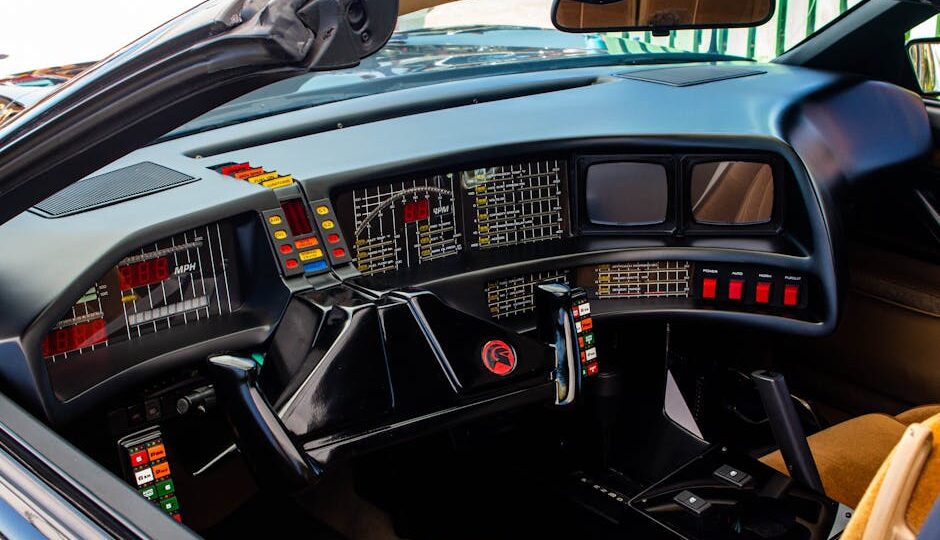
The Bold Return to Retro Aesthetics
The automotive industry is experiencing a delightful renaissance, where the echoes of the past meet the cutting-edge technology of the present. In 2026, retro aesthetics have made a triumphant return, as car manufacturers blend nostalgic elements with modern engineering marvels. Brands like Ford and Volkswagen have led the charge, reimagining classics such as the Ford Mustang and the VW Beetle for a new generation. These vehicles capture the essence of their predecessors while offering state-of-the-art features like autonomous driving and electric powertrains.
Interestingly, this trend isn’t just about replicating old designs. It’s about reinterpreting them with a contemporary twist. The 2026 Mustang, for instance, sports the iconic fastback silhouette but surprises with its streamlined LED light bars and sustainable interior materials. This juxtaposition of old and new is captivating consumers who crave both familiarity and innovation.
Sustainability Takes Center Stage
As the world becomes more environmentally conscious, car design in 2026 reflects a significant shift towards sustainability. The days of gas-guzzling engines are numbered, as manufacturers shift focus to electric vehicles (EVs) and hybrid models. Tesla, the longstanding leader in EV technology, continues to push boundaries with their 2026 lineup, which features vehicles boasting ranges of up to 500 miles per charge.
Moreover, sustainability is now integral to the materials used in car manufacturing. Brands like BMW and Volvo are pioneering the use of recycled and biodegradable materials in their car components. Seats made from ocean plastic and dashboards from hemp fibers are no longer concepts of the future but realities of the present. This trend not only reduces the carbon footprint but also resonates with an eco-conscious consumer base.
Integration of AI and Smart Technology
The integration of artificial intelligence (AI) and smart technology in car design has expanded exponentially. In 2026, cars are not just vehicles; they are intelligent companions on the road. AI systems now offer predictive maintenance alerts, personalized driving feedback, and even mood-based cabin settings. Imagine a drive where your car senses your stress level and adjusts the ambient lighting and music accordingly to help you relax.
Automakers like Mercedes-Benz and Audi are at the forefront of these innovations. The latest models come equipped with AI-driven safety features that can predict and avoid potential accidents by analyzing real-time data from surrounding vehicles. This level of interaction transforms the driving experience into something harmonious, where car and driver are in constant communication.
Customization and Personalization
In a world where personal expression is key, car design has followed suit by offering unprecedented levels of customization. The 2026 automotive market is rife with options for buyers to tailor their vehicles to fit their personalities. This goes beyond simple color choices; consumers can now select from a range of modular components, allowing them to change the exterior design and interior layout as they see fit.
For instance, Land Rover offers the ability to customize the roof and door panels of its SUVs, changing colors or materials with the touch of a button. This flexibility extends to the interior, where drivers can choose from a variety of digital display configurations and upholstery textures. The result is a car that feels uniquely personal, a true extension of oneself.
The Rise of Compact and Urban Designs
Urban environments are dictating a new trend in car design: the rise of compact and efficient vehicles. As cities become more congested and parking spaces scarce, automakers are responding with smaller, more maneuverable cars. These vehicles prioritize agility and practicality without sacrificing comfort or style.
Smart, a brand synonymous with compact design, has released its 2026 model that perfectly epitomizes this shift. The new Smart model features an innovative folding mechanism, allowing the vehicle to contract for tight parking spaces. This, coupled with a zero-emission electric engine, makes it an ideal choice for urban dwellers.
Practical Takeaway
For those keen on purchasing a new vehicle, the trends of 2026 offer an exciting array of options that marry innovation with personal preference and environmental responsibility. Whether you’re drawn to the charm of retro designs, the promise of AI-driven safety, or the allure of sustainable materials, the future of car design is one of endless possibility and personalization. When selecting your next vehicle, consider how these trends align with your lifestyle and values, ensuring that your choice not only meets your needs today but sets you on a path toward the future.