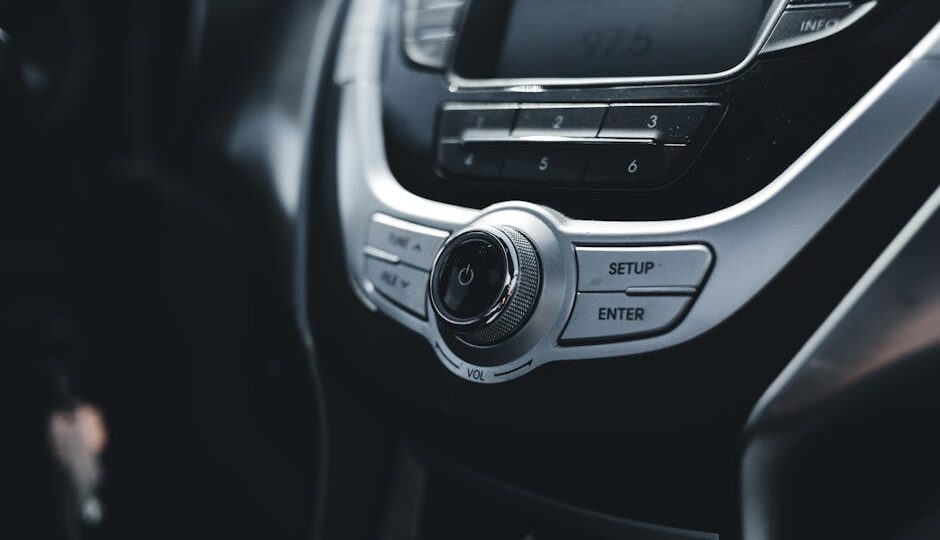
An Introduction to Minimalistic Car Design
The automotive world has always been a reflection of broader societal trends. In 2026, the buzzword is simplicity, and it’s manifesting with gusto in car interiors. Gone are the days of cluttered dashboards with innumerable buttons and gaudy displays. Today’s drivers crave serene spaces that prioritize function over form, guiding us into a future where less truly is more.
But what does this mean for automakers and consumers alike? Let’s journey through the key reasons and examples shaping this minimalist movement.
The Technology Behind Clean Designs
Technology is the silent powerhouse behind minimalistic interiors. With advancements in voice control and gesture recognition, the need for physical buttons is dwindling. Manufacturers like Tesla and BMW have integrated AI assistants capable of performing complex tasks at the simple command of the driver. Imagine adjusting the climate control with a swift hand motion or summoning navigation instructions with a single spoken phrase. It’s not science fiction—it’s 2026 reality.
Moreover, augmented reality (AR) heads-up displays are replacing traditional instrument clusters. Start-ups like Holoride are pioneering this field, offering holographic projections that render dials and maps in a virtual space, dramatically reducing dashboard clutter.
The Beauty of Materiality
Minimalism isn’t just about technology; it’s about materials too. In 2026, a confluence of sustainability and luxury is driving material choices. Genuine leather is passé. Instead, we see a surge in vegan leathers and recycled fabrics that exude elegance without the environmental cost.
Automakers like Volvo and Rivian are leading this charge. Volvo’s interiors are now decked out in natural wool blends and innovative materials like Nordico—a fabric made from recycled plastic bottles and cork. These serve the dual purpose of reducing environmental impact and enhancing the tactile experience of car interiors.
Spatial Innovations
An intriguing aspect of minimalist interiors is how they make the most of available space. The new Audi A8, for instance, uses a ‘floating’ center console design, freeing up legroom and storage space. This approach is not only aesthetically pleasing but also practical, as it enhances passenger comfort.
Meanwhile, electric vehicles (EVs) are inherently designed with minimalism in mind due to their compact drivetrains. The absence of a traditional transmission tunnel creates a flat floor, allowing designers to reimagine the interior space. Plenty of legroom and modular seating arrangements add a layer of flexibility, making the cabin a multifunctional space.
User Experience: Embracing Simplicity
At the heart of minimalism is the user experience. Automotive designers are now exploring how a less-is-more philosophy can enhance the driving experience. In 2026, Hyundai’s Ioniq range epitomizes this approach. The Ioniq 6, with its single-panel touchscreen interface, reduces the cognitive load on drivers, allowing them to focus more on the road.
The emphasis is on creating an intuitive, distraction-free environment. Automakers are increasingly leaning on human-centered design principles, ensuring that every element in the car serves a purpose, right down to the ambient lighting which adapts to driving conditions and mood.
The Future of Minimalistic Interiors
The move toward minimalism isn’t just a fleeting trend; it’s a paradigm shift. As we step towards 2027 and beyond, we can expect further innovations that streamline car interiors while enhancing connectivity and personalization. The goal is to create a space that feels like an extension of oneself—comfortable, efficient, and distinctly uncluttered.
In essence, the rise of minimalistic car interiors represents a broader cultural shift toward sustainability and mindfulness. It’s about crafting spaces that are not only aesthetically pleasing but also enriching to the driving experience.
Practical Takeaway: For consumers, this trend translates into vehicles that offer a cleaner, more intuitive driving environment. When choosing a new car, consider models that incorporate these minimalistic principles, ensuring a blend of technology, sustainability, and design that aligns with your values and lifestyle.