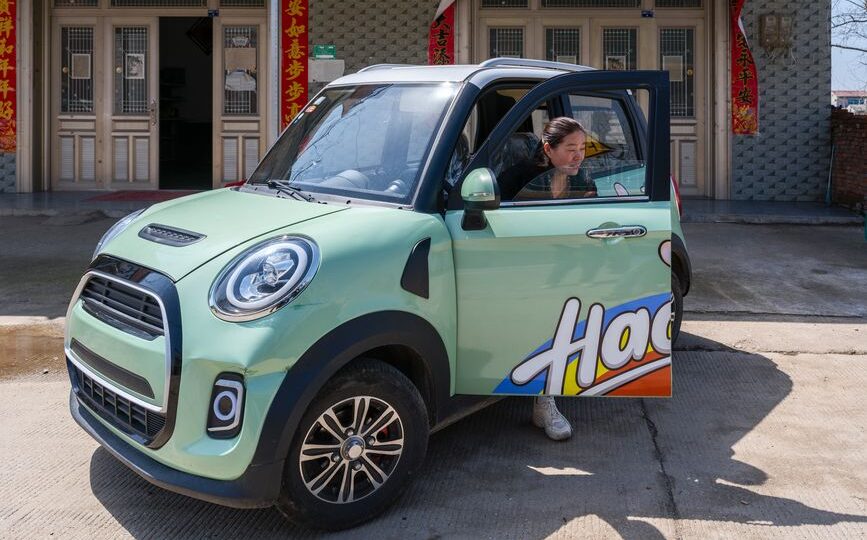
The Rise of Tiny Electric Cars: A Perfect Fit for Urban Living
As 2026 continues to unfold, a new trend is taking cities by storm: tiny electric cars. These pint-sized marvels are becoming the perfect solution for urbanites who grapple with heavy traffic, limited parking, and the increasing environmental concerns of city life. But what makes these micro-EVs so appealing? Let’s delve into why these compact commuters are becoming the city dweller’s go-to choice.
The Advantages of Going Small
One of the most significant benefits of tiny electric cars is their ability to easily navigate through congested city streets. Their smaller frames allow for nimble handling and make squeezing into tight parking spots a breeze. In bustling metropolises like Tokyo, New York, and Paris, where every inch counts, these vehicles offer unmatched convenience.
Moreover, their reduced size doesn’t mean a compromise on features. Many of these cars come equipped with state-of-the-art tech, including advanced GPS systems and voice-activated controls, ensuring that drivers remain connected and efficient even when space is limited.
Cost-Effective Commuting
For many city residents, the cost of ownership is a deciding factor when selecting a vehicle. Tiny electric cars shine in this area too. With smaller engines and less weight, they generally require less power to run, translating into lower electricity bills. For example, the new 2026 NanoVolt can travel up to 250 miles on a single charge, with charging costs averaging around $5. Compared to traditional fuel prices, the savings add up quickly.
Additionally, maintenance costs tend to be lower. Fewer components mean fewer parts that can wear out or need replacement. This simplicity is a welcome relief for those tired of hefty repair bills.
Sustainability and Environmental Impact
As cities strive to reduce their carbon footprints, the role of sustainable transportation becomes ever more critical. Tiny electric cars are a step in the right direction. With zero emissions, they offer an eco-friendly alternative that helps cities meet their environmental goals.
Moreover, the production of these smaller vehicles typically requires fewer resources and generates less waste. Manufacturers like GreenWheels and EcoMotive have committed to using recycled materials and renewable energy in their production processes, further reducing their environmental impact.
Style and Customization
Gone are the days when opting for a smaller car meant sacrificing aesthetics. The designs of 2026’s tiny electric cars are as varied and vibrant as the cities they inhabit. From sleek, minimalist designs to bold, vibrant colors, there’s something for every taste.
Customization options abound, with manufacturers offering a range of personalization packages. Drivers can select everything from custom paint jobs to interior materials, making it easier than ever to tailor a vehicle to their unique style.
Are Tiny Electric Cars Here to Stay?
The question remains: are tiny electric cars just a passing fad, or are they destined to become a permanent fixture in city landscapes? Given their practicality, cost-effectiveness, and environmental benefits, it seems they are here to stay.
Cities are beginning to adapt to this new trend, with infrastructure changes that accommodate smaller vehicles, such as dedicated parking zones and charging stations designed explicitly for micro-EVs. As policies evolve to support sustainable transportation solutions, the tiny car revolution is set to continue.
Practical Takeaway: For city dwellers seeking an efficient, cost-effective, and eco-friendly mode of transportation, tiny electric cars offer a compelling option. With their growing popularity and continued innovation, these vehicles are likely to become a mainstay in our urban environments.