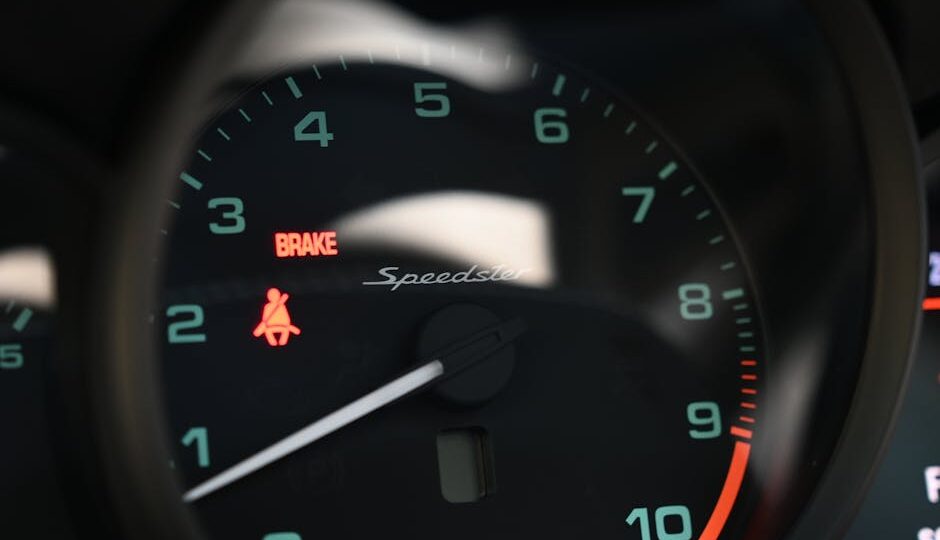
How to Decode Your Car’s Dashboard Signals Like a Pro
You’re cruising down the highway, enjoying a sunny day and your favorite playlist, when suddenly, a mysterious light glows on your dashboard. Panic sets in. What does it mean? Is your car about to self-destruct, or can it be ignored? Welcome to the modern driver’s dilemma! Dashboard warning lights are your car’s way of communicating, and understanding them is crucial for any driver.
Understanding the Basics: Common Dashboard Symbols
Just like hieroglyphs in an ancient tomb, dashboard signals can seem cryptic at first. Yet, a bit of knowledge turns them from confusing symbols into clear messages.
- Check Engine Light: This light is shaped like an engine and is perhaps the most dreaded. It can signal anything from a loose gas cap to a serious engine problem. In 2025, AAA reported that 70% of drivers experienced this light at least once a year.
- Oil Pressure Warning: Resembling an old oil can, this light indicates low oil pressure. Ignoring it might lead to engine damage. Imagine driving through the deserts of Nevada without enough oil. Not ideal!
- Brake Warning Light: Represented by a circle with an exclamation mark or the word ‘BRAKE’, this light could indicate low brake fluid or a more serious brake system issue. Given that Phoenix, AZ, sees over 100 million car trips annually, keeping an eye on brakes is essential for city drivers.
- Battery Alert: This light looks like a battery and signals issues with your car’s charging system. A common issue in places with fluctuating temperatures like New York City.
Modern Symbols: Navigating High-Tech Indicators
With advancements in automotive technology, dashboards have evolved beyond traditional warnings. Today’s cars, like those from Tesla and BMW, feature advanced signals that demand attention.
- ADAS Alerts: Advanced Driver Assistance Systems (ADAS) have lights to indicate issues with lane departure, adaptive cruise control, and more. In 2025, Boston saw a 15% reduction in accidents thanks to these systems.
- Hybrid and Electric Vehicle Indicators: Symbols showing battery levels or charging status are critical for EV drivers, especially when navigating long stretches like California’s Pacific Coast Highway.
- Autonomous Driving Alerts: For vehicles with self-driving capabilities, lights may indicate when it’s safe to engage or when manual control is necessary.
Regional Variations and Weather Impacts
Did you know that your driving environment can affect which warning lights you’re likely to see? In humid areas like Miami, FL, coolant temperature warnings are more common due to engine overheating. Conversely, in chilly Minneapolis, MN, tire pressure warnings pop up more frequently in the winter months as the cold causes air pressure to drop.
Dealing with Dashboard Lights: Practical Steps
So, what do you do when a light appears? Here’s a structured approach:
- Don’t Ignore It: Treat every light as important. Even if the car seems fine, ignoring a warning could lead to larger problems.
- Consult the Manual: Each car is different. The manual is your first stop for understanding what’s what. Keep it in an accessible place, like the glove compartment.
- Use a Diagnostic Tool: OBD-II scanners, available for as low as $20 in places like San Francisco’s tech markets, can read codes and suggest potential issues.
- Visit a Mechanic: If the issue persists, head to a professional. A car is a complex machine, and sometimes, expert intervention is needed.
Stay Ahead: Regular Maintenance Tips
Preventive care is the best way to keep warning lights at bay. Here’s how:
- Regularly Check Fluids: Oil, coolant, and brake fluids are the lifeblood of your car. Maintaining proper levels can prevent a host of lights from appearing.
- Monitor Tire Pressure: Especially in fluctuating climates, ensure your tires are inflated to the recommended levels. Many gas stations in Seattle, WA, offer free air pumps.
- Update Software: For tech-heavy cars, keeping software up-to-date ensures all systems function correctly and lights remain accurate.
- Schedule Annual Inspections: Routine check-ups can catch minor issues before they become significant problems.
Practical Takeaway: Your Car Is Talking to You
Dashboard signals are more than just lights; they’re essential messages that keep you and your car safe. By understanding and responding to these signals promptly, you ensure a smoother and safer driving experience. So next time a light pops up, take a breath, assess the situation, and take appropriate action. Your car (and your wallet) will thank you.