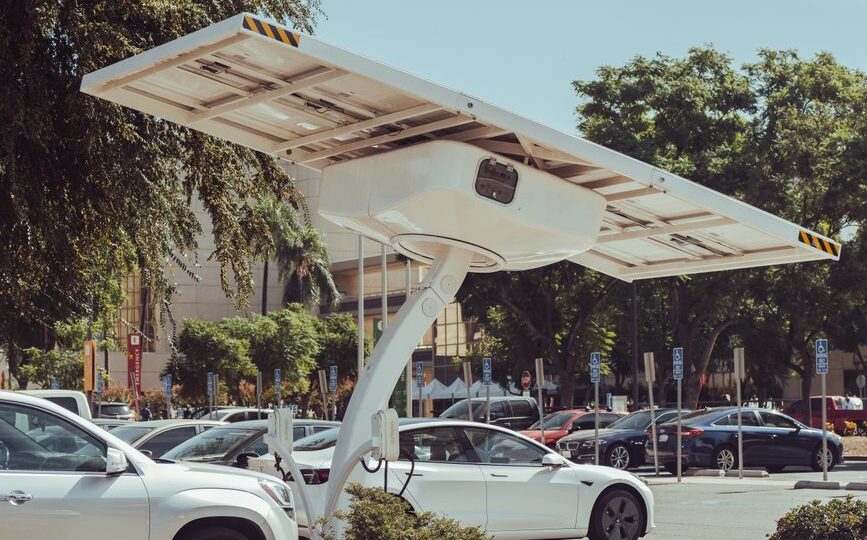
The Rise of Solar-Powered Cars: A Brief Overview
As we navigate through 2026, solar-powered cars have transitioned from a futuristic concept to a practical reality. With advancements in photovoltaic technology, these vehicles are increasingly becoming a viable option for sustainable transportation. Companies like Lightyear and Aptera have been at the forefront, creating cars that not only reduce emissions but also harness power from the sun. This evolution in automotive technology is more than just a trend—it’s a revolution that promises to redefine how we think about personal and shared mobility.
Why Solar-Powered Cars Are Gaining Popularity
So, what’s driving this surge in demand for solar-powered cars? For starters, the environmental benefits are undeniable. Each hour, the sun provides more energy than the entire world consumes in a year, and solar vehicles tap into this vast, renewable resource. Besides, with the global push towards reducing carbon footprints, consumers are eager to adopt cleaner, greener technologies. These cars also offer the benefit of energy independence, reducing reliance on grid electricity or fossil fuels. In regions with high solar exposure like California, Arizona, and parts of Australia, owning a solar-powered car can mean significantly lower operating costs.
The Technology Behind Solar-Powered Cars
The magic of solar-powered cars lies in their photovoltaic systems. These systems consist of solar panels, typically made from silicon, which convert sunlight into electricity. This electricity is then used to charge the vehicle’s battery, providing power to the motor. Companies have also integrated innovative designs to maximize solar panel surface area without compromising aerodynamics. For instance, the Lightyear 2, expected to hit the market later this year, boasts over 600 kilometers of range per charge, with additional kilometers added daily purely from solar charging.
Challenges and Opportunities Ahead
Despite their promise, solar-powered cars are not without challenges. One of the major hurdles is efficiency. While solar panels have become more efficient over the years, they are still not capable of fully powering cars in less sunny regions. However, hybrid models that combine traditional electric power with solar charging are helping bridge this gap. Another challenge is the initial cost, which can be higher than conventional electric vehicles. Yet, with advancements in technology and economies of scale, prices are expected to fall. The potential for growth in this sector is enormous, with new startups and established automakers eyeing solar technology for future models.
Real-World Impact and Future Prospects
In regions where solar power is abundant, these cars have already begun to make a tangible impact. In countries like Chile, where solar adoption is high, solar vehicles are helping reduce urban pollution and reliance on imported fuels. Looking ahead, the integration of solar technology into public transportation systems could further propel its benefits. Imagine buses and trains equipped with solar panels, reducing operational costs and emissions. As battery technology continues to improve, these prospects become increasingly viable.
Practical Takeaway
For consumers considering a switch to solar-powered vehicles, it’s crucial to assess your local climate and driving needs. While these cars offer a glimpse into a sustainable future, they best serve those in sunny areas or those who can supplement with traditional charging methods. As technology advances, solar-powered cars are expected to become more efficient, affordable, and widely available, making them a smart choice for eco-conscious drivers looking to invest in the future of transportation.